EN
EN
2 A aktiv afbalancering
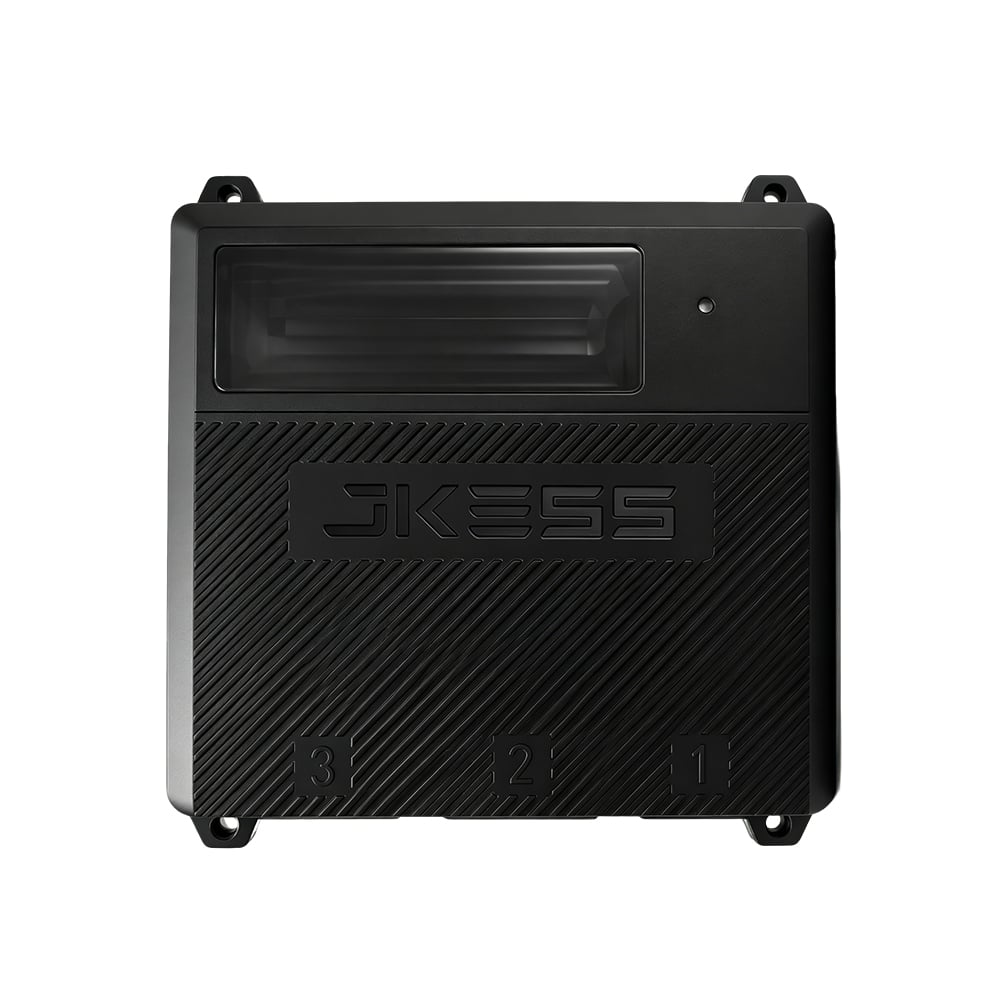
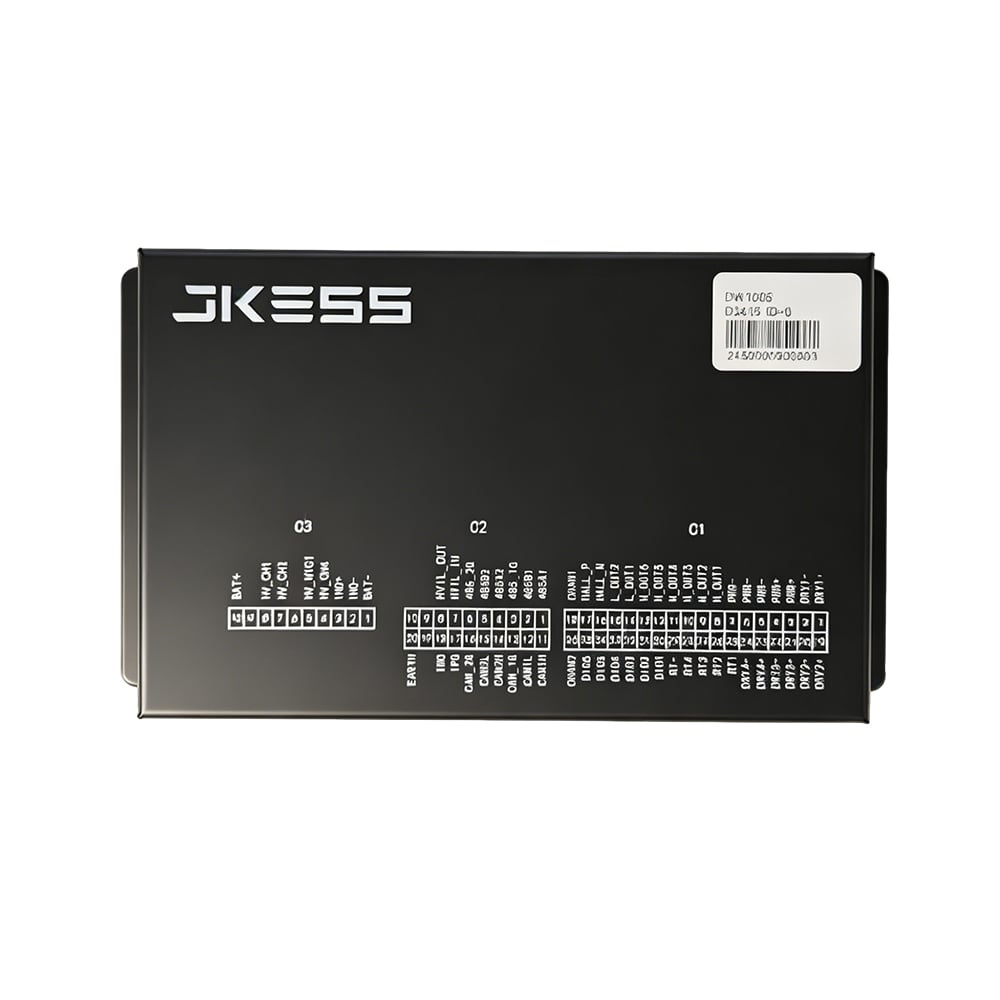
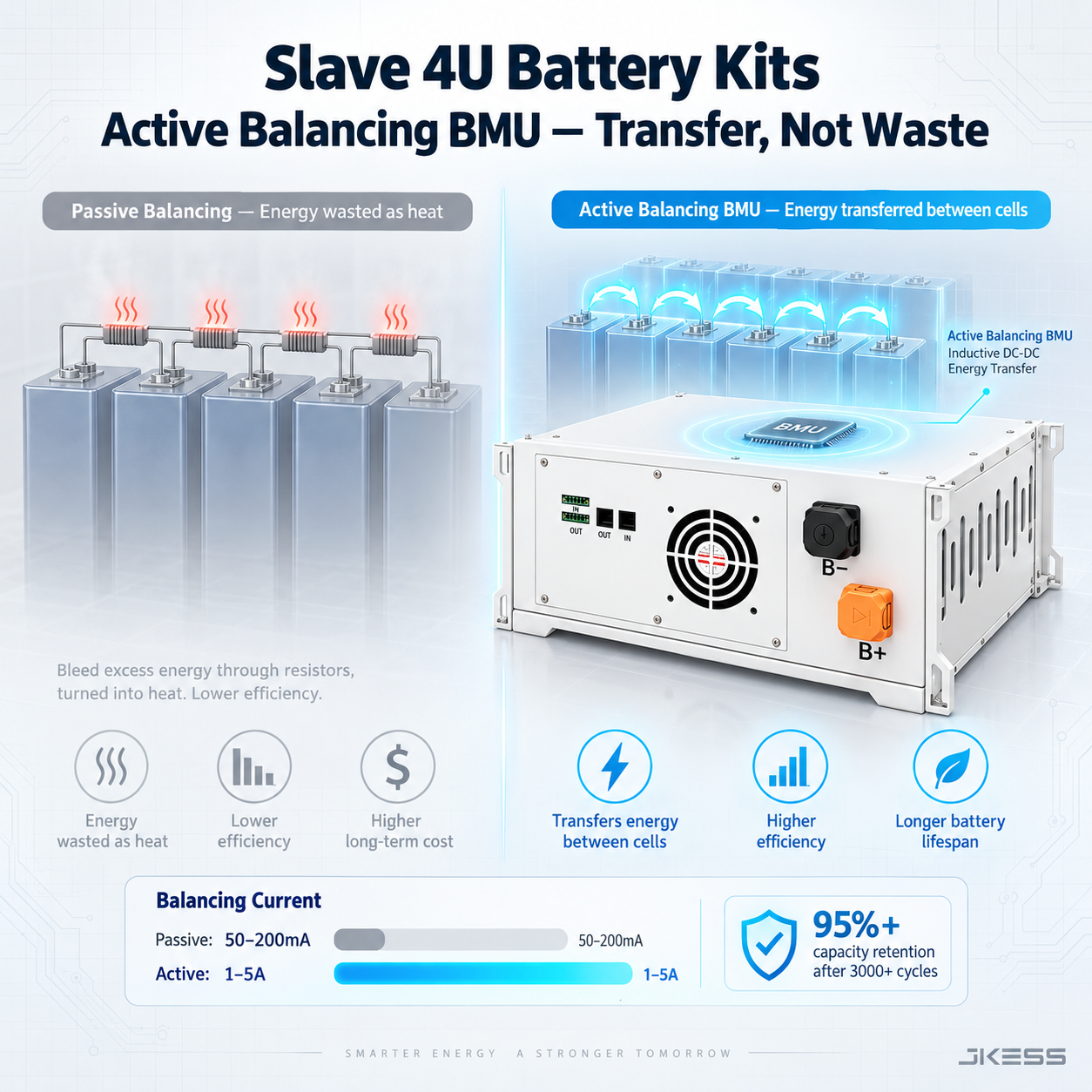
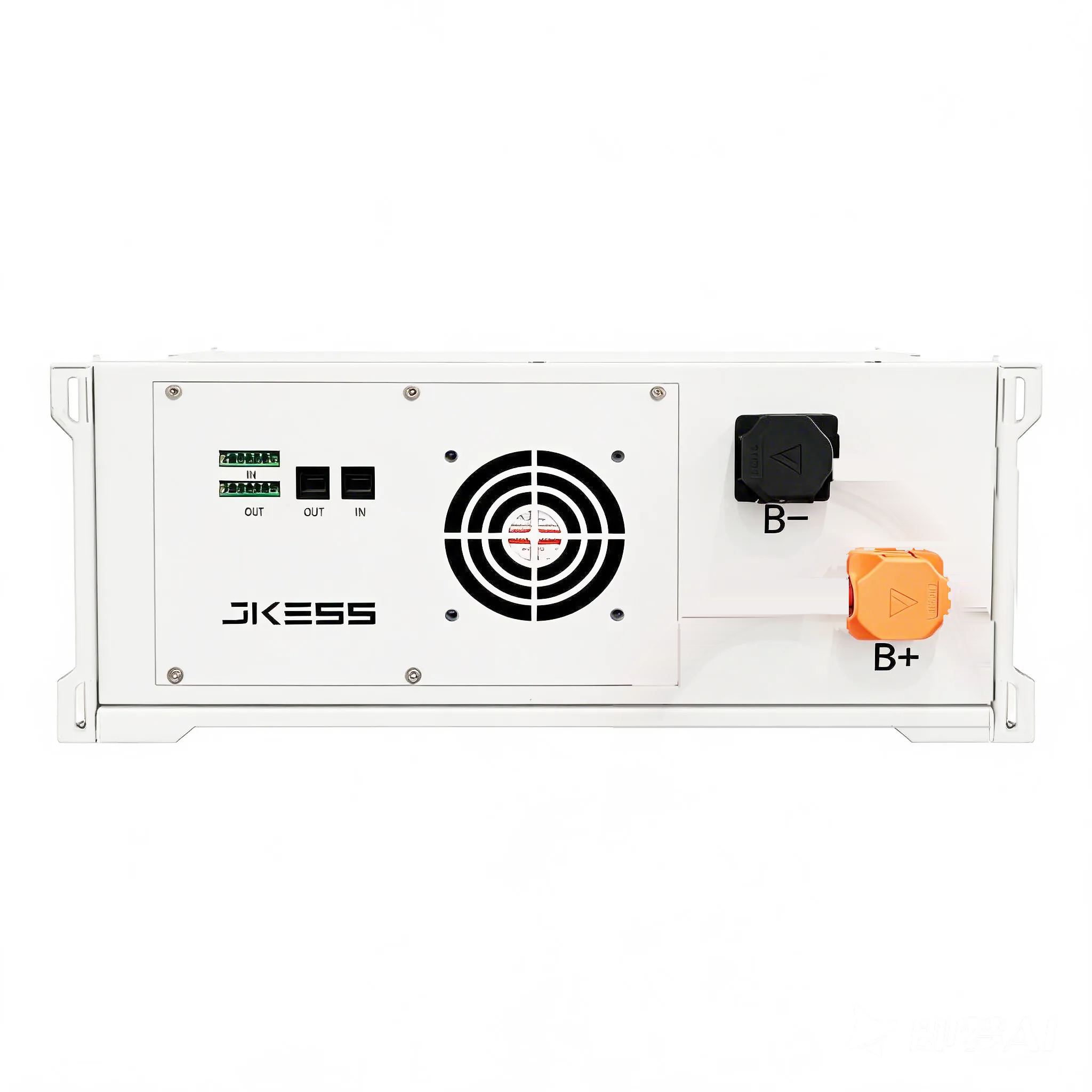
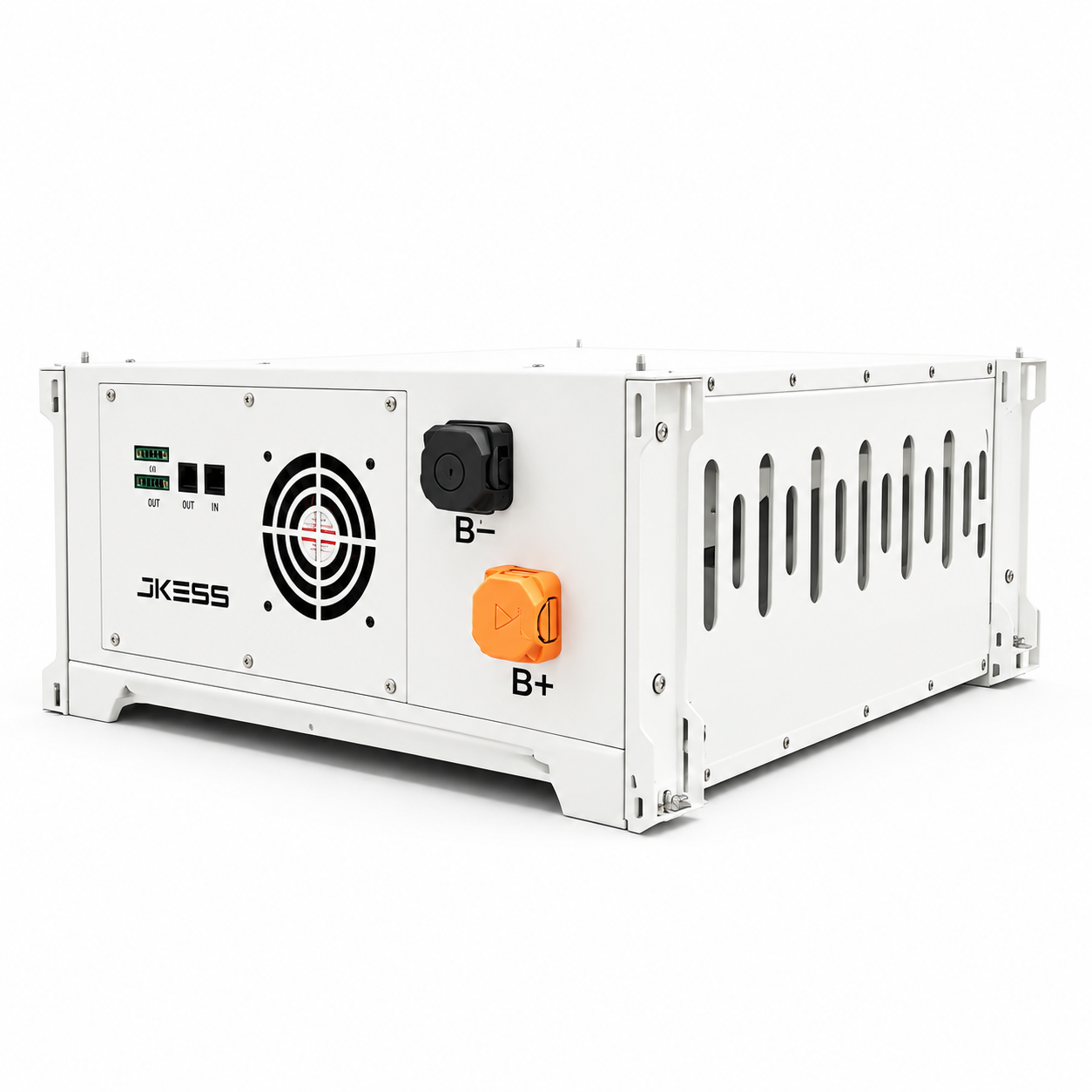
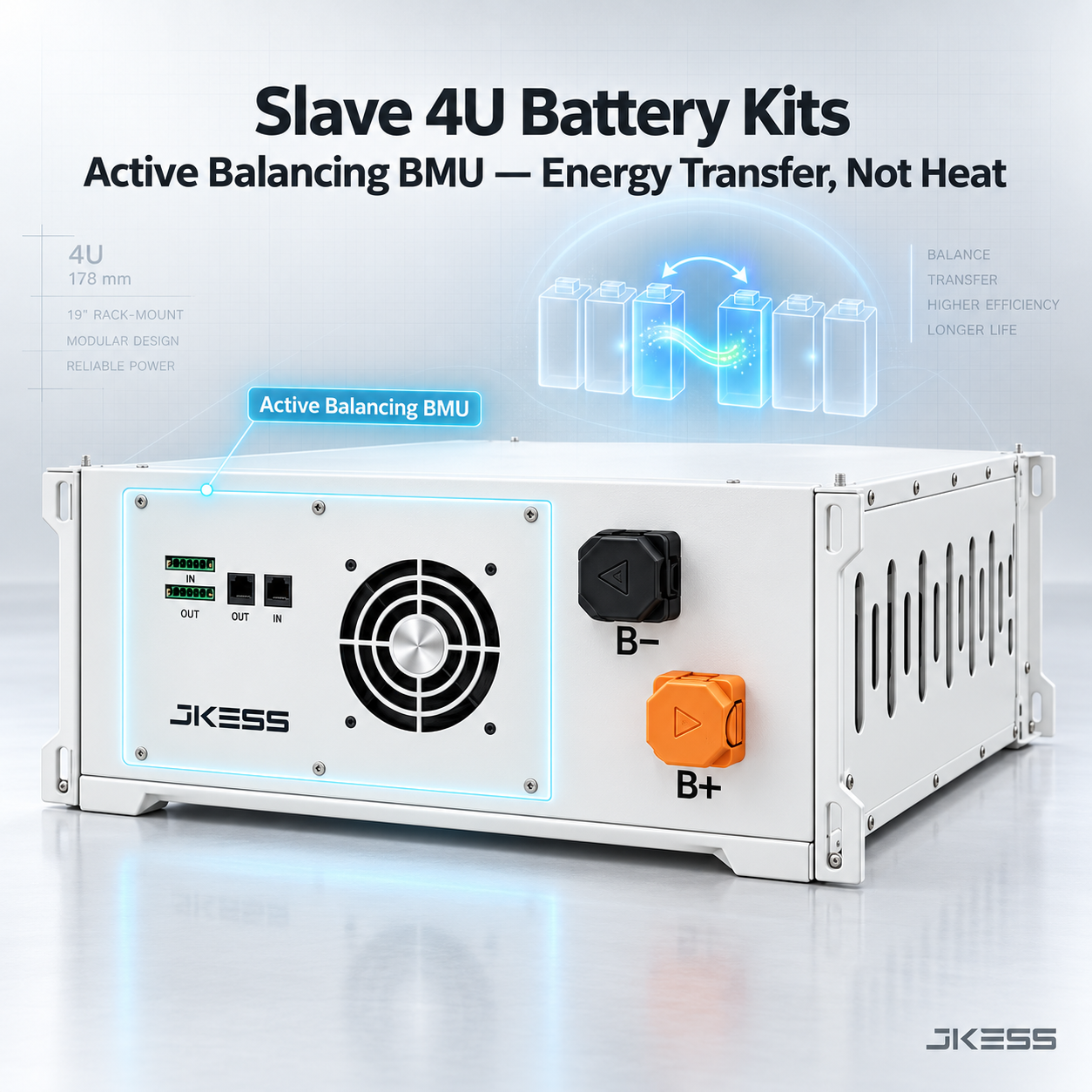
Forudmonteret BMU-H5-16-slave-BMU med 2 A aktiv balanceringsstrøm. Overfører energi mellem celler i stedet for at omdanne den til varme — opretholder over 95 % kapacitet efter mere end 3000 cyklusser.

JKESS · Højspændingslager
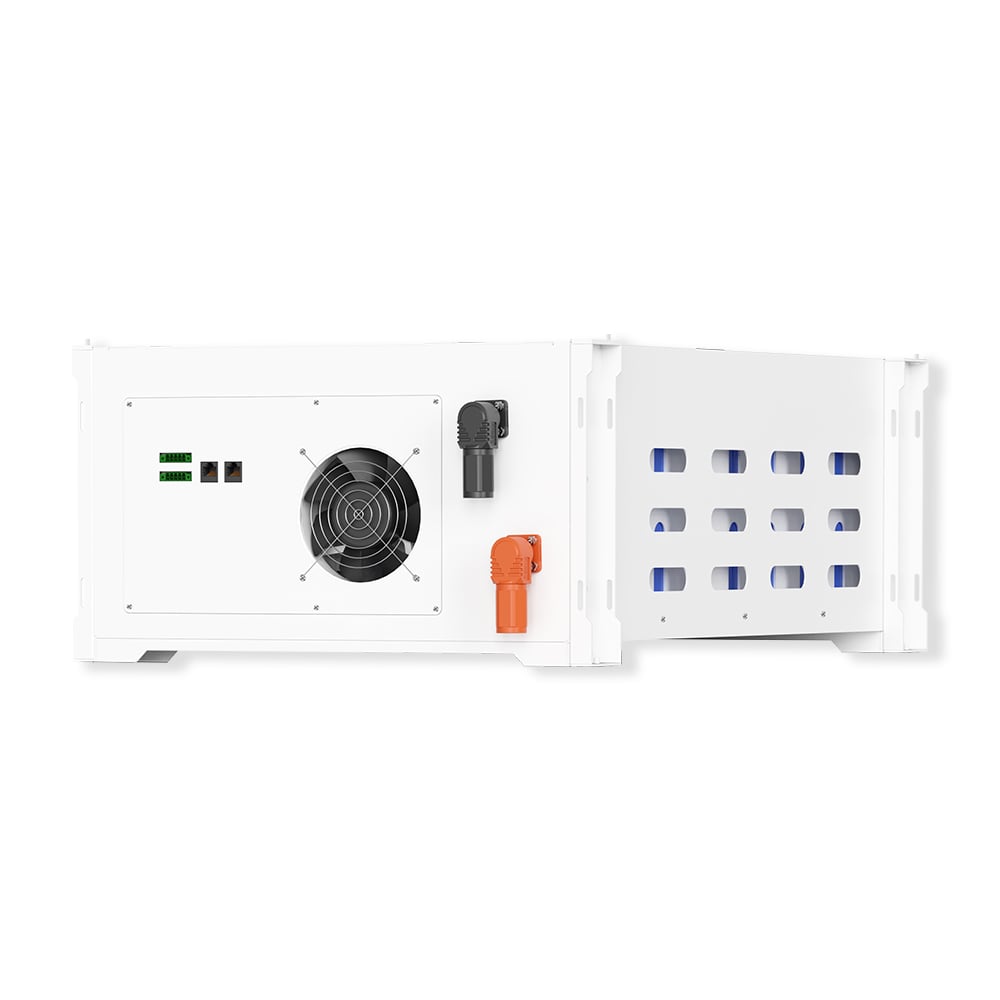
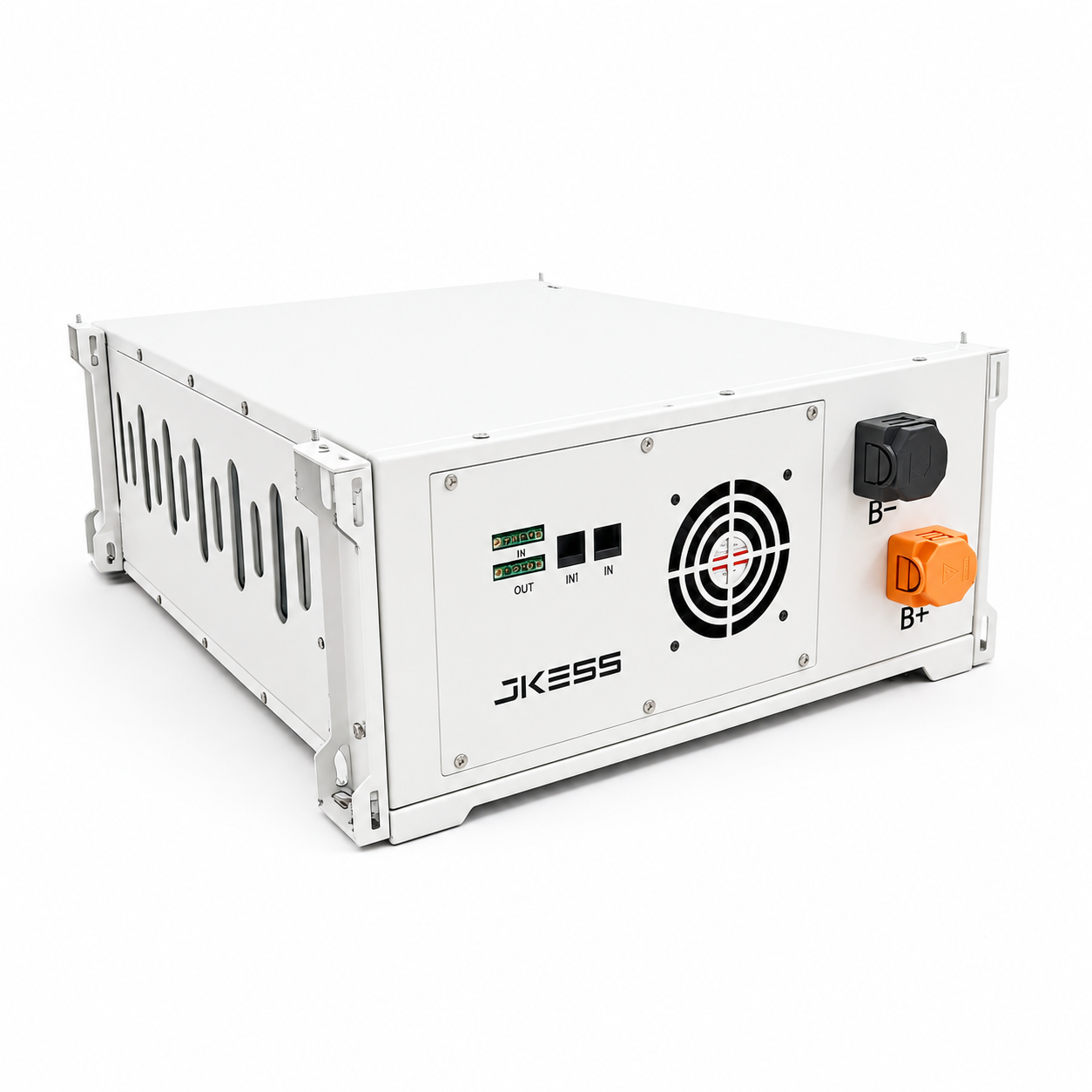
Få et tilbud →Et pladebeslagssæt, hvor en 2 A aktiv balancerings-slave-BMU allerede er monteret — udviklet til systemintegratorer, der bygger skalerbare højspændings-LiFePO4-racksystemer fra 100 V til 800 V DC. Battericeller er IKKE inkluderet.
Forudmonteret BMU-H5-16-slave-BMU med 2 A aktiv balanceringsstrøm. Overfører energi mellem celler i stedet for at omdanne den til varme — opretholder over 95 % kapacitet efter mere end 3000 cyklusser.
178 mm kabinetshøjde. Standard 19″ rackmontering til installationssteder med begrænset plads, hvor ekstern CCS anvendes. Ideel til boligbaserede højspændings-ESS og telekommunikationsreserve-racksystemer.
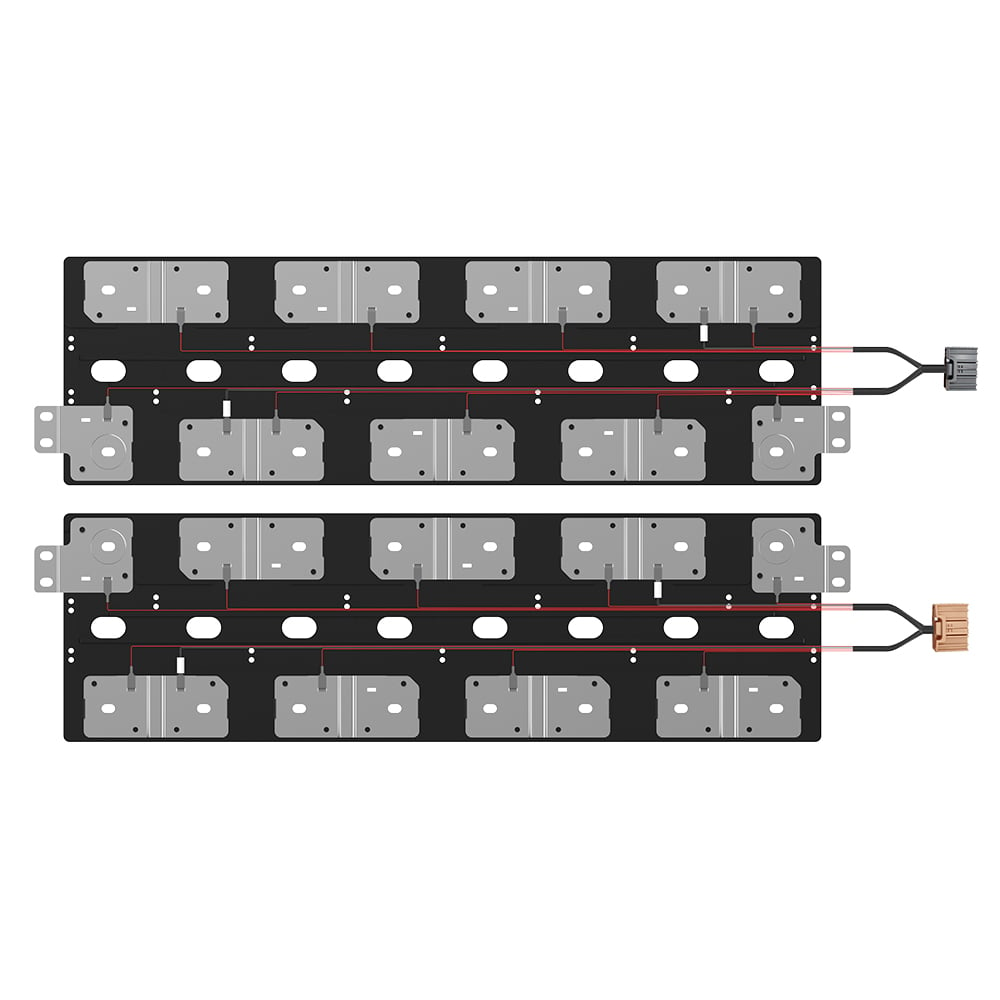
Cellefølelseskablingsharness og termisk (temperatur-)kablingsharness inkluderet fra fabrikken. Højspændings B+/B−-terminaler med sikkerhedsmekanisme. Kølefans med optimeret luftstrømsventilation.
På lager i Polen (EU) og USA. Levering på 3–7 hverdage. Ingen toldforsinkelser, ingen komplicerede importafgifter.
Battericeller er IKKE inkluderet. Kun kabinett og BMS-hårdvaresæt; kunderne leverer selv deres egne LiFePO4-celler.
I højspændingsbatteripakker med seriemodulede celler bestemmer valget af afbalanceringsmetode direkte kapacitetsbeholdning og langtidspålidelighed. Den følgende sammenligning er baseret på JKESS’ ingeniør-laboratoriedata og offentliggjorte undersøgelser.
| Passiv balancering Traditionel | Aktiv balancering JKESS Standard |
|---|---|
| Ekstra ladning omdannes til varme og går tabt som energi. | Energi overføres mellem celler uden spild. |
| Afbalanceringsstrømmen er typisk kun 50–200 mA – meget langsom. | Afbalanceringsstrømmen kan nå 1–5 A – hurtig og effektiv. |
| Ueffektiv på den flade LiFePO4-spændingskurve. | Effektiv i hele LiFePO4 SOC-intervallet. |
| Forårsager lokal temperaturstigning. | Genererer meget lidt varme. |
| 10 %–20 % kapacitetstab det første år. | Bevarer mere end 95 % kapacitet efter mere end 3000 cyklusser. |
| Udfører næsten ingen balancering i mellem-SCO-intervallet. | Fungerer kontinuerligt under både opladning og afladning. |
| Den svageste celle bestemmer den brugbare kapacitet for batteripakken. | Efter afbalancering bestemmes brugbar kapacitet af gennemsnitscelle-niveauet. |
Hvorfor er en balanceringsstrøm på 2 A nødvendig for celler i 300 Ah-klassen?
For en 314 Ah LiFePO4-celle , en 0,5 % kapacitetsforskel svarer til cirka 1,57 Ah af ladning, der skal afbalanceres. Ved en afbalanceringsstrøm på 2 A tager én afbalanceringskompensation cirka 47 minutter . Med passiv afbalancering på 200 mA kræver samme mængde cirka 7,85 timer — og passiv afbalancering fungerer kun tæt på slutningen af opladningen, så den faktiske forløbne tid er længere.
Kapacitetsforskel: 314 Ah × 0,5 % = 1,57 Ah Ved 2 A: 1,57 Ah ÷ 2 A = 0,785 h ≈ 47 minutter Ved 200 mA: 1,57 Ah ÷ 0,2 A = 7,85 timerKilde: JKESS Engineering Laboratory, baseret på tests af en 16S LiFePO4-konfiguration.
JKESS HV Slave-batterikasser er tilgængelige i to reolhøjdekonfigurationer. Begge deler den samme aktive balancerings-BMS-platform; forskellene er CCS-integration og den tilsigtede applikationsarkitektur.
| Konfiguration | 4U-kit — Dette produkt | 6U-kit |
|---|---|---|
| Rakkehøjde | 178 mm (4U) | 267 mm (6U) |
| CCS (Charge Control Switch) | Ikke inkluderet | Inkluderet |
| Aktiv balancerings-slave-BMU | BMU-H5-16 inkluderet | BMU-H5-16 inkluderet |
| Celle-sensor-kabler | Inkluderet | Inkluderet |
| Termisk ledningshåndværk | Inkluderet | Inkluderet |
| Højspændingsterminaler B+/B- | Inkluderet, med sikkerhedsafbryderdesign | Inkluderet, med sikkerhedsafbryderdesign |
| Køleventilator | Inkluderet | Inkluderet |
| Battericeller | Ikke inkluderet — leveres af kunden | Ikke inkluderet — leveres af kunden |
| Bedst egnet arkitektur | Kompakte reolsystemer med ekstern CCS | Systemer, der kræver integreret højspændingsafbrydning og beskyttelse |
| Typiske anvendelser | Højspændings-ESS til boligbrug, telekommunikationsbackup samt kompakte kommercielle og industrielle (C&I) reolsystemer | C&I-systemer, der kræver indbygget højspændingsafbrydning, samt solenergi-plus-lagringssystemer |
Hvorfor vælge 4U? Når din systemarkitektur allerede indeholder ekstern CCS – f.eks. CCS integreret i masterstyringsboksen – giver 4U-kittet samme aktiv balanceringskapacitet og komplette kablingsharnesser i en mere kompakt beholder på 178 mm. Flere enheder kan placeres i et standard 19-tommers reolsystem, hvilket gør 4U til et praktisk valg for projekter med strikte krav til reolplads.
| Parameter | Værdi | Noter |
|---|---|---|
| Afbalanceringsmetode | Aktiv balancering – induktiv DC-DC-konvertering | Energi overføres mellem celler i stedet for at blive omdannet til varme. |
| Maksimal balanceringsstrøm | 2 A | Pr. kanal |
| Maksimal antal cellesamplinger | 16 | 16S LiFePo4 |
| Måleområde og nøjagtighed for celle-spænding | 1–4,5 V / ±0,005 V | nøjagtighed på 5 mV |
| Temperaturprøvetagningskanaler | 8 NTC-kanaler | — |
| Temperaturmåleområde / nøjagtighed | −30 til 105 °C / ±2 °C | — |
| High-side-kanaler / kontinuerlig strøm / maksimal effekt | 2 / 1 A / 3 A ved 300 ms | — |
| Kølemetode | Intelligent luftkøling / regulerbar ventilatorkøling | Integreret i frontpanelet |
| Kommunikationsgrænseflader | CAN / RS485 / daisy chain | Til HV-hovedstyringsboksen |
| Cellekemi | LifePO4 | Understøtter prismatiske celler på 280 Ah–314 Ah |
| Batterikasseens spændingsområde | 100 V–800 V DC | Afhangigt af antallet af serieforbundne celler; udvidelig via flere bokse forbundet i serie. |
Specifikationskilde: JKESS HV Slave Battery Box-produktside og brochureside.
Udfordringen: Højspændingsbatteripakker forbinder dusinvis af celler i serie, så den svageste celle begrænser den brugbare kapacitet for hele pakken. Passiv balancering mislykkes på den flade LiFePO4-spændingskurve, hvilket medfører en kapacitetsreduktion på 10–20 % inden for 12 måneder.
JKESS-løsningen: BMU-H5-16 leverer 2 A aktiv balancering kontinuerligt over hele SOC-intervallet for at opretholde konsistens mellem cellerne.
Udfordringen: Dårligt ventilerede omslag skaber varmepunkter, accelererer celledegradation og øger risikoen for termisk løberi. Billige metalkasser kan mangle tilstrækkelige isolationsafstande og sikkerhedsmekanismer.
JKESS-løsningen: Præcist konstruerede ventilationsåbninger, en integreret køleventilator, højspændingsisolerede terminaler og en sikkerhedsmekanisme adresserer disse integrationsudfordringer.
Udfordringen: Batterihardware bestilt fra Asien tager typisk 4–8 uger at fragte, og komplekse toldprocedurer forsinker projekttidsplanerne.
JKESS-løsningen: Lagerførende lager i EU-lageret i Polen og US-lageret muliggør levering inden for 3–7 hverdage, hvilket eliminerer toldudfald og komplicerede importafgifter.
Udfordringen: Blanding af kabinetter, BMS-kort og kablingsharness fra forskellige leverandører skaber integrationsudfordringer, protokolmismatch og ustabil systemydelse.
JKESS-løsningen: Den forudmonterede BMU-H5-16, fuldstændige celleføler- og temperatursensor-kablingsharness samt standard CAN/RS485-kommunikationsprotokoller giver en klar-til-brug integrationsløsning.
Udfordringen: Forudmonterede batteripakker binder projekter til faste kapaciteter; udvidelse kan betyde udskiftning af hele enheden i stedet for tilføjelse af moduler.
JKESS-løsningen: Den modulære 19-toms rack-design skalerer fra 5 kWh til over 1 MWh ved hjælp af en master-slave CAN-bus-arkitektur. Yderligere kapacitet tilføjes ved at tilføje en ekstra batteriboks.
| Komponent | Antal | Noter |
|---|---|---|
| Frontpanel i pladejern, inklusive kommunikationskort og ventilator | ×1 | Integreret kommunikationskort og kølingventilator |
| Bagpanel i pladejern | ×1 | — |
| Dæksel i pladejern | ×1 | — |
| Pladestål bundplade | ×1 | — |
| Pladestål sideskodder | ×2 | — |
| Stølister: 4 sideskodder + 2 bundskodder | ×6 | — |
| Aktiv balancerings-slavekontrolenhed (BMU-H5-16) | ×1 | Kernekomponent: 16S aktiv afbalancerings-slave-BMS |
| Plus- og minus-strømstikforbindelser | Orange ×1 + Sort ×1 | — |
| 8S batterimodulendepletter | Orange ×2 + Sort ×2 | — |
| 8S batterimodulsideskodder | ×4 | — |
| Kobber busbar-stikdæksler | Orange ×2 + Sort ×2 | — |
| M6-195 lange skruer | ×4 | — |
| Kommunikationskabel mellem kasser | ×1 | — |
| 24 V strøm- og ventilator-kommunikationskabel | ×1 | — |
| PACK-strømkabel | ×1 | — |
| CCS-harness med integreret kobberbusbar | ×1 | — |
| epoxyplader til 8S-modul side | ×4 | — |
| epoxyplader til 8S-modul bund | ×2 | — |
| PET-isoleringsplader, sorte | ×4 | — |
| Celle-epoxyplader | ×14 | — |
| Positiv kobberbusbar, orange | ×1 | — |
| Negativ kobberbusstang, sort | ×1 | — |
| Batteriforbindelseskobberbusstang | ×1 | — |
Kombiner med højspændingshybridinvertere, der opererer ved 200 V–500 V, til helhjemssikring, solcelleselvforbrug og tidspunktsbaseret energi-arbitrage. Stak flere kasser for at opbygge systemer på 10–40 kWh.
Opbyg rackbaserede systemer på 100 kWh–1 MWh+ til forbrugsstyring, spidsbelastningsreduktion, belastningsforskydning og uafbrudt strømforsyning.
Integrér med solcelleanlæg og højspændings-PCS for at lagre overskydende solenergi. Højspændingsarkitekturer reducerer konversions-tab med 3–5 % i forhold til lavspændingsløsninger.
Installeres på fjerne lokationer, øsamfund og anlæg uden for elnettet for at levere pålidelig højspændingsbatterilagring.
Leverer pålidelig reservekraft til 5G-basestationer, datacentre og telekommunikationsinfrastruktur. Højspændingsdesignet gør det muligt at bruge tyndere kabler, genererer mindre varme og opnår højere effektivitet.
Understøtter hurtigopladningsstationer med energipuffering og topbelastningsreduktion. Højspændingsbatterirakker er direkte kompatible med DC-hurtigopladningsbus-spændinger for at minimere antallet af konverteringsfaser.
Nej. JKESS HV-slavebatterikittet er en kasse af pladejern og et BMS-hårdvarakit; LiFePO4-battericeller er IKKE inkluderet. Kunderne skal selv skaffe cellerne for at fuldføre batteripakken. Denne kitbaserede fremgangsmåde giver dig fleksibilitet til at vælge celleleverandører, kapaciteter og kvalitetsgrader, der bedst passer dine projektkrav og budget.
6U-HV-slavebatterikittet inkluderer en CCS (Charge Control Switch) til integreret højspændingsafbrydning og beskyttelse. 4U-HV-slavekitet inkluderer ikke CCS, men leveres forudmonteret med celleføleledninger og termisk styringsledninger. Begge modeller inkluderer den aktive balancerings-slave-BMU (BMU-H5-16), højspændingsterminaler, kølefan og en premium kasse af pladejern.
Ja. Hvert JKESS HV-slavebatterisæt inkluderer en slave-BMU med aktiv cellebalanceringsfunktion. Ved aktiv balancering overføres energi mellem celler ved hjælp af induktiv DC-DC-konvertering i stedet for at omdanne den til varme. BMU-H5-16 leverer op til 2 A balanceringsstrøm med en celleafprøvningsnøjagtighed på ±0,005 V og 8 NTC-temperatursensorer.
JKESS HV-slavebatterikasser er designet til højspændingsenergilagringssystemer, der typisk opererer i det 100–800 V DC-spændingsområde, afhængigt af antallet af celler konfigureret i serie. Flere slavekasser kan forbindes i serie for at opnå højere systemspændinger.
Ja. Rackmonteret 4U-formfaktor (178 mm højde) er designet til standard 19-tommers serverrakker. Flere slavekasser kan stables lodret i et rack og forbindes i serie for at opbygge batterisystemer med højere spænding og kapacitet. Hver slavekasse kommunikerer med den HV-mesterstyringskasse via den integrerede CAN/RS485-kommunikationsbus.
Ordrer, der afsendes fra vores EU-lager (Polen), ankommer typisk inden for 3–7 hverdage til de fleste europæiske lande. Ordrer fra vores US-lager ankommer typisk inden for 3–5 hverdage til adresser i det kontinentale USA. Lokalt lagerafsendelse eliminerer toldforsinkelser, komplicerede importafgifter og reducerer den internationale transporttid fra 4–8 uger til blot et par dage.
JKESS-slave-BMU understøtter standard BMS-kommunikationsprotokoller, herunder CAN (Controller Area Network) og RS485. Den kommunikerer med JKESS HV-masterstyringsboksen, som igen kan kommunikere med kompatible invertere, PCS og energistyringssystemer. Master-slave-arkitekturen gør det muligt at overvåge og styre flere slave-bokse via én enkelt masterenhed.
JKESS-produkter overholder internationale eksportstandarder. Kabinettet i pladejern er designet med korrekt ventilation, højspændingsisolation, sikkerhedsmekanismer og passende krybdistance/luftafstand for at opfylde globale sikkerhedsstandarder for energilagring, herunder IEC 62619 og UL 1973. For specifikke certificeringskrav bedes du kontakte vores team.
Kabinettet er fysisk kompatibelt med forskellige BMS-konfigurationer, men sættet er optimeret og forudmonteret til JKESS’ slave-BMU-enheder. Brug af tredjeparts BMS kan kræve brugerdefinerede ledningsmodifikationer og kan muligvis ikke passe til de foruddefinerede monteringspunkter. Vi anbefaler på det kraftigste at bruge den inkluderede JKESS-slave-BMU for optimal aktiv balanceringsfunktion og problemfri master-slave-kommunikation.
Prøveordrer er tilgængelige for enkelte sæt — ingen minimumsordremængde for standardprodukter. For større mængder og projekter, kontakt venligst os for volumenpriser og levertider. Vi tilbyder omfattende OEM- og ODM-tjenester, herunder tilpassede kabinettstørrelser, privat mærkning/etikettering, specialtilpassede ledningskonfigurationer og brugerdefineret BMS-firmware.
Kontakt vores B2B-saleshold for priser, tekniske specifikationer, mængderabatter og OEM/ODM-tilpasning. Vi svarer inden for 24 timer.
Anmod om et brugerdefineret tilbud →