
 EN
JKESS / Logistics guide
Get a Quote →Shipping HV Battery Box Kits vs Fully Assembled BESS: How UN38.3 and Dangerous Goods Rules Change Your Logistics
An empty battery box kit and a fully assembled BESS are not the same shipment. Cell-free hardware can travel as general cargo when no other dangerous goods are included; a system containing lithium batteries needs a configuration-specific transport assessment. Here is what changes in testing, documentation, packaging, and delivery planning.
Key Takeaways
- UN38.3 applies to lithium cells and batteries. Its eight test categories cover transport stresses and electrical abuse; the applicable tests depend on whether the item is a cell or battery and on its design. Not every item undergoes all eight tests. [1]
- A genuinely cell-free kit is normally general cargo if its complete contents contain no other regulated dangerous goods. A BESS with lithium batteries is normally Class 9 dangerous goods, with the correct UN entry determined by its configuration.
- Battery shipments need a suitable compliance package: access to the applicable test summary, transport documents where required, compliant packaging and securing, and carrier acceptance. An SDS is not a universal transport-document requirement. [2]
- Kit procurement separates hardware delivery from cell sourcing. Regional cell procurement can remove batteries from the international hardware shipment; it does not remove transport obligations for the cells or the completed system.
- JKESS offers cell-free 6U, 4U, stacked-system, and JKESS261 kits. Selected EU/US warehouse products advertise short local delivery windows. Confirm the exact SKU, warehouse stock, contents, and destination before relying on a 3–7 business-day schedule.
01 / Procurement perspective
The Hidden Logistics Cost of “Fully Assembled”
In B2B energy storage procurement, equipment specifications and purchase price often receive more attention than shipping compliance. Yet an assembled battery energy storage system (BESS) and a battery box kit without cells can follow substantially different logistics processes. For system integrators, EPC contractors, project developers, and procurement teams, that difference affects booking, handling, and the commissioning schedule.
A system containing lithium-ion batteries generally needs Class 9 dangerous goods handling. Classification may involve UN3480 or UN3481; certain battery installations in cargo transport units may fall under UN3536. The actual configuration, shipping mode, and applicable provisions determine the documents, packaging, marks, labels, and handling requirements. [6] A missing or mismatched compliance record can lead to rejection, rework, storage charges, or enforcement action.
The expensive surprise often appears after a purchase order is signed: the cell paperwork does not establish compliance for the shipped battery design, the packaging does not meet the applicable instruction, or the intended service will not accept the load. A 4–8 week delay is a possible project contingency, not an established industry average or a guaranteed saving from kit procurement. Compare actual supplier and forwarder quotations for the same route and shipment scope.
This guide explains the practical distinction between shipping battery hardware and shipping a battery-containing system, and how JKESS kit procurement can simplify the hardware shipment.
02 / Core requirements
What UN38.3 Actually Requires
UN38.3 is subsection 38.3 of the UN Manual of Tests and Criteria. Lithium cells and batteries generally must be of a type demonstrated to meet its applicable tests before normal transport; special provisions exist for cases such as prototypes and low-production runs. Manufacturers and subsequent distributors must make the required test summary available. Testing concerns the relevant design type, not destructive testing of every unit shipped. [1] [3]
| Test | Test name | Test purpose | Implication for BESS procurement |
|---|---|---|---|
| T.1 | Altitude Simulation | Evaluates exposure to reduced air pressure. | Applies to relevant cell and battery types; not only to shipments booked by air. |
| T.2 | Thermal Test | Evaluates temperature changes and integrity of seals and internal connections. | Assesses thermal exposure during transport; applies to relevant cells and batteries. |
| T.3 | Vibration | Evaluates vibration encountered during transport. | Assesses the mechanical integrity of relevant cells and batteries. |
| T.4 | Shock | Evaluates cumulative mechanical shocks. | Assesses resistance to transport handling for relevant cells and batteries. |
| T.5 | External Short Circuit | Evaluates performance during an external short circuit. | Applies to relevant cells and batteries under the specified test conditions. |
| T.6 | Impact / Crush | Evaluates cell resistance to mechanical abuse. | Cell-level test; impact or crush is selected according to cell design. |
| T.7 | Overcharge | Evaluates a rechargeable battery’s resistance to overcharge. | Battery-level test for rechargeable batteries; not a universal cell test. |
| T.8 | Forced Discharge | Evaluates cell resistance to forced discharge. | Cell-level test; not a universal test of every assembled battery. |
Swipe horizontally to view the full table.
A test summary must be available; it is not universally required as a paper attachment to each shipment. Carrier or national requirements can still require submission during acceptance. [3]
03 / Side-by-side decision
Kit-Mode vs Fully Assembled: What Changes at Every Logistics Step
The comparison below assumes a new, undamaged lithium-ion system and an alternative kit containing no cells or other dangerous goods. “General cargo” describes transport classification; it does not waive customs, cargo-security, or product requirements.
| Kit-ModeBattery box hardware · cells not included | Fully AssembledBESS · lithium cells installed |
|---|---|
| Shipping classificationNormally general cargo, subject to the full contents review. | Shipping classificationNormally Class 9; select UN3480, UN3481, or another applicable entry. |
| UN38.3 test summaryNo lithium-battery summary for cell-free hardware. | UN38.3 test summaryApplicable tested-type summary must be available. |
| SDS / MSDSNo battery SDS for an empty enclosure; assess other materials. | SDS / MSDSMay be requested by supply-chain parties; not a universal DG transport-document requirement. |
| DG declarationNot needed for a shipment containing no dangerous goods. | DG declarationDG transport document or declaration as required by the mode and applicable provisions. |
| Sea-freight packagingProtective commercial packing and suitable cargo securing. | Sea-freight packagingApplicable IMDG packing and securing provisions; UN-specification packaging where required. |
| WarehousingStandard handling for non-dangerous cargo. | WarehousingAppropriate storage controls; permits and facility requirements vary locally. |
| Carrier acceptanceStandard cargo services, subject to size and weight limits. | Carrier acceptanceA service that accepts the particular DG classification, size, weight, and route. |
| Customs clearanceNormal customs documentation and product import requirements. | Customs clearanceCustoms documentation plus any applicable DG notifications and local controls. |
| Air-freight restrictionsNo lithium-battery restrictions if truly cell-free; normal cargo limits remain. | Air-freight restrictionsBattery-specific packing, charge-state, aircraft, and operator restrictions can apply. |
| Transport costCan avoid lithium-battery DG surcharges on the hardware shipment. | Transport costDG fees, specialist handling, and restricted routing may increase cost. |
| Delivery planningSelected local warehouse stock may ship within advertised short windows; confirm the order. | Delivery planningRoute-specific schedule; documentation, acceptance, production, and capacity all matter. |
| Cell procurementBuyer selects a technically suitable local or regional cell supplier. | Cell procurementCells are supplied within the ordered system configuration. |
| Best fitBuyers with qualified local assembly and commissioning capability. | Best fitBuyers who prefer an integrated system and supplier-managed cell integration. |
04 / Route planning
Sea, Air, and Road: How DG Rules Differ by Transport Mode
| Mode | Applicable framework | With cells: additional considerations | Cell-free kit: considerations |
|---|---|---|---|
| Sea | IMDG Code | Correct UN entry; DG transport document; applicable packing, labels, securing, and carrier acceptance. Container/vehicle packing certification where applicable. | No lithium-battery DG obligations when cells and other dangerous goods are absent. Standard packing and securing remain. |
| Air | ICAO Technical Instructions / IATA DGR | Applicable packing instruction, quantity and charge-state limits, aircraft restrictions, and operator acceptance. Large systems need route-specific feasibility checks. | Standard air-cargo rules and carrier limits still apply, even without lithium-battery restrictions. |
| Road | ADR in participating countries / US DOT 49 CFR | Applicable classification, shipping papers, marks, labels, securing, training, and vehicle/driver provisions; exemptions depend on the shipment. | Normal road-cargo requirements if the complete consignment is non-dangerous. |
Swipe horizontally to view the full table.
For 2026 shipments, IMDG Amendment 42-24 is mandatory from January 1, 2026. Use the rules in force on the shipment date, plus national and carrier variations. A multimodal journey may require compliance checks for more than one framework. [4] [5]
05 / JKESS hardware
How JKESS Kit-Mode Products Cut Logistics Complexity
JKESS offers battery box and system hardware kits without cells, enabling buyers to coordinate hardware procurement with a regional cell supply chain. The linked product pages identify the available formats; the final quotation and packing list should define the delivered configuration.
| JKESS product | Delivery format | Transport classification | Logistics advantage / planning point |
|---|---|---|---|
| HV-B6U 6U Slave Battery Box Kit | 6U enclosure, BMU-H5-16 active balancing, and CCS wiring; cells not included. | Normally general cargo if no other DG is included. | Hardware shipped separately from cells. The stacked-system page lists a slave-kit reference weight of 28.55kg; verify revision and packed weight. |
| HV Slave 4U Kits | Compact enclosure, active balancing BMU, and sensing / temperature wiring; cells not included. | Normally general cargo if no other DG is included. | Selected Poland / US warehouse stock can support short regional delivery windows; confirm the final packing list and stock. |
| HV-BC250 200A HV BMS Master | Master control box, protection components, and mounting accessories; cells not included. | Normally general cargo if no other DG is included. | Published reference weight: approximately 18.5kg. The product page lists a standard lead time of 15–20 working days; confirm the quoted order. |
| Modular Stacked System Kits | Master-and-slave hardware for 4–16 slave boxes; cells not included. | Assess the exact hardware shipment. | Modular hardware can be shipped separately from locally sourced cells. Do not treat an unpacked component weight as a packed-box limit. |
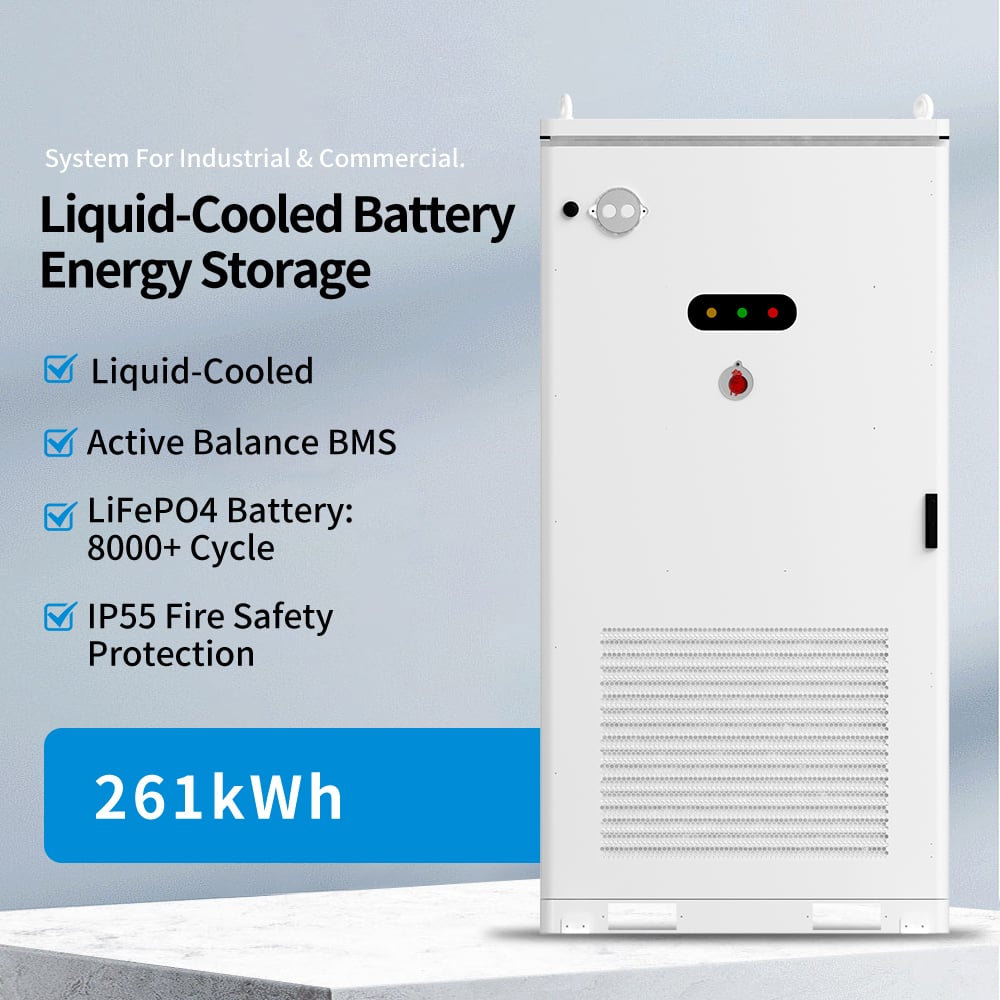
| JKESS261 Liquid-Cooled System Kits | Liquid-cooled cabinet kit; cells sold separately. Completed reference system: 261.25kWh / 125kW. | Verify all contents before classification. | Cell-free cabinet delivery removes the main battery from the shipment. Review cooling fluids and fire-suppression components separately. |
Swipe horizontally to view the full table.
06 / Before dispatch
Shipping Document Checklist: Kit vs Fully Assembled
Use this as a purchasing checklist, then obtain the shipment-specific document list from the forwarder. A UN38.3 test summary, an SDS, and a DG declaration serve different purposes and do not substitute for one another. [2] [3]
| Document category | Kit mode · without cells | Fully assembled · with cells |
|---|---|---|
| Commercial invoice | Prepare for the commercial / customs shipment. | Prepare for the commercial / customs shipment. |
| Packing list | Identify the hardware and explicitly state that cells are not included. | Identify the system, batteries, quantities, and shipping weights accurately. |
| Certificate of origin | Where required by destination rules, preferential-origin claims, or contract. | Where required by destination rules, preferential-origin claims, or contract. |
| UN38.3 test summary | Not required for cell-free hardware itself. | Applicable summary must be available; submit it when required for acceptance. |
| SDS / MSDS | No battery SDS for the empty kit; check other materials. | Not universally required by battery transport rules; may be requested commercially or locally. |
| Dangerous goods transport document / declaration | Not required when the complete shipment is non-dangerous. | Required as applicable to the mode, UN entry, and any relevant exemption. |
| Sea-freight packaging / packing evidence | Commercial packing and securing records as relevant. | Evidence of applicable packing compliance and container/vehicle packing certificate where required; no single universal “IMDG packaging certificate.” |
| Air transport identification report, if applicable | Only if a carrier or origin-country process requests classification evidence. | May be requested by the origin country or carrier; not a universal IATA document for every shipment. |
Swipe horizontally to view the full table.
The table compares common documentation categories; transport documents such as the bill of lading or air waybill and normal import filings still apply as appropriate. DG storage permits and staff training records concern operations and local requirements, not a universal set of papers that must travel with every BESS.
07 / Procurement checks
5 Common Logistics Mistakes in BESS Procurement
Assuming one test summary covers every configuration
Check the model numbers, design description, test references, and applicable assembly provisions. A summary for a purchased cell does not automatically demonstrate compliance for every battery assembled from it. Design changes may require a new assessment or testing.
Ignoring destination and transit requirements
Agree the route, ports, transit points, import responsibilities, and local notifications before dispatch. A carrier’s initial quotation does not establish acceptance at every transfer point or satisfy destination customs requirements.
Booking a service that will not accept the load
Disclose the correct classification, battery configuration, condition, dimensions, and weight. Obtain written acceptance for the intended service and any onward legs, and verify that the parties performing regulated tasks meet applicable training requirements.
Treating packaging paperwork as a generic certificate
Match the packing instruction, package or enclosure design, gross weight, securing method, and required marks to the actual goods. A certificate for unrelated packaging is not sufficient, and some large-battery provisions allow alternatives to standard UN-specification packages.
Treating a delivery estimate as a guaranteed saving
Compare confirmed stock, production time, route duration, DG booking availability, and destination processing on the same basis. A 4–8 week contingency may be reasonable for a particular project, but it is not a universal DG delay and should not be presented as a guaranteed kit-mode saving.
08 / Direct answers
Frequently Asked Questions
What is UN38.3 and why does it matter for BESS shipping?
UN38.3 is the lithium-cell and battery testing framework in the UN Manual of Tests and Criteria. It contains eight test categories, covering altitude, temperature, vibration, shock, short circuit, impact/crush, overcharge, and forced discharge. Applicable tests depend on the cell or battery design; not every item must undergo all eight. For normal transport, the relevant design must meet the applicable requirements and its required test summary must be available.
Does an empty battery box kit require UN38.3 testing?
An empty enclosure with BMS and wiring does not need lithium-battery UN38.3 testing if it contains no cells or batteries. It can normally travel as general cargo when the complete shipment also contains no other dangerous goods. Check auxiliary batteries, cooling materials, and fire-suppression components before confirming the classification.
What documents are required to ship a fully assembled BESS?
The exact documents depend on the UN entry, transport mode, configuration, and route. Plan for normal commercial and transport records, access to the applicable UN38.3 test summary, and the DG declaration or shipping paper and packing evidence required for that shipment. An SDS may be requested, but it is not a universal battery transport document or a substitute for the other records.
How much longer does it take to ship a fully assembled BESS compared to a kit?
There is no universal additional duration. Battery-specific acceptance, documentation, handling, and route restrictions can add time, but stock location and production lead time may be equally important. Treat a 4–8 week difference only as a project-specific estimate supported by supplier and forwarder quotations, not a guaranteed saving.
Can I source cells locally and still use JKESS battery box kits?
Yes, the listed JKESS kit configurations are supplied without cells so qualified integrators can source suitable cells separately. Verify mechanical fit, electrical ratings, BMS configuration, and assembly requirements for the chosen kit. Local sourcing can remove lithium cells from the international hardware shipment, but domestic cell transport, later movement of the assembled battery, and installation requirements still apply.
What is the difference between UN3480 and UN3481?
UN3480 applies to lithium-ion batteries shipped on their own; UN3481 applies when they are packed with or contained in equipment. Some BESS installations in cargo transport units can fall under UN3536 instead. Select the entry using the actual configuration and applicable rules; a cell-free kit is not classified under these lithium-battery entries solely because it will later house cells.
Does JKESS provide UN38.3 documentation for its products?
The cell-free kit configurations described here do not themselves require lithium-battery UN38.3 documentation. If you order a battery-containing configuration, request written confirmation of the applicable tested design, test summary, and shipping compliance package before purchase. Do not assume kit documentation establishes transport compliance for a subsequently assembled battery.
What are the warehouse and delivery options for JKESS kits?
The 4U product page lists warehouse options in Poland and the United States. It advertises typical delivery of 3–7 business days in much of Europe and 3–5 business days in the continental US for eligible locally stocked orders. Confirm the exact SKU, available quantity, destination, and dispatch date; other products and configurations have different lead times.
Are there any restrictions on air freight for BESS kits?
A kit with no batteries or other dangerous goods is not subject to lithium-battery air-transport restrictions. Normal aircraft size, weight, cargo-security, packing, and carrier-acceptance limits remain. Battery-containing systems require assessment under the applicable ICAO/IATA provisions and operator variations, and some large systems may not be accepted on the intended air service.
What JKESS products are available in kit mode without cells?
The linked range includes HV-B6U 6U slave kits, HV Slave 4U kits, HV-BC250 200A master control boxes, modular master-and-slave system kits, and JKESS261 liquid-cooled cabinet kits. Cells are not included in the described kit configurations. Final contents, shipping weights, completed-system ratings, and transport classification should be confirmed for the quotation rather than inferred from a product-family name.
Need to Ship BESS Hardware Without Dangerous Goods Delays?
Explore JKESS battery box kits supplied without cells. Ask about EU and US warehouse stock, destination-specific delivery, and the exact packing list. Source suitable cells locally with qualified integration support, and keep battery transport requirements separate from your hardware order.
Request a Custom Quote →