EN

Insight · Shenzhen,
APEC 2026 and the case for storage in cross-border renewables
The November 18–19 APEC leaders’ meeting in Shenzhen puts openness, innovation and cooperation on the agenda. For investors taking solar and wind projects across borders, storage can turn surplus generation into power they can sell later. Getting that value in a new market depends on usable capacity and a compatible grid interface. Buyers also need model-specific export documents and a reliable source of spares before they award a contract.
Explore JKESS SolutionsWhat the Shenzhen agenda means for renewables
The 2026 theme is “Building an Asia-Pacific Community to Prosper Together.” Earlier this year, APEC energy ministers backed cooperation on grid flexibility and microgrids. For developers planning projects in more than one market, three priorities follow.
Trade & Interconnectivity
Closer trade and grid links can make it easier to finance solar and wind across borders and move surplus power to another market. At each site, ask for the export limit and the local grid operator’s control requirements before selecting the battery and inverter.
Innovation & Grid Stability
A solar plant can reach its export limit at noon and fall short of its evening commitment. Where a contract sets a firm delivery window, storage becomes a design requirement. Specify the discharge power, usable energy and response to dispatch commands.
Compliance & Local Presence
Even when trade procedures become simpler, buyers still need evidence for the destination. Match CE or FCC records and the UN 38.3 test summary to the model quoted. For European projects, confirm which spares can ship from the Poland warehouse.
APEC sources · 2026 theme and priorities · Energy ministers’ statement
Four risks to resolve before tender
Integrators and EPC teams can put these checks directly into a request for quotation. They make bids easier to compare before a sample arrives.
| Procurement risk | What to ask the supplier |
|---|---|
| Cell imbalance erodes usable capacity | One cell reaching its voltage limit can stop discharge for the string. Ask for cell-voltage spread and delivered kWh from the same sample cycle, at an agreed load and temperature. |
| Expansion reaches a hardware limit | Request drawings for the initial and expanded layouts. Check the inverter voltage window, cluster current limit, spare positions and rules for combining modules of different ages. |
| Documents cover a different model | Ask for a document index tied to the part number, hardware revision, destination and freight route. Compare identifiers on the reports, nameplate and packing list. |
| Replacement parts have a long lead time | Ask for separate dispatch estimates for the system and its service spares. Confirm the dispatch point, parts availability and freight time for each before fixing the installation date. |
How JKESS designs storage around the load
Start with the duty cycle and the inverter. Those two inputs determine the battery voltage, the controls to validate and how much expansion the first installation should allow.
Full-Stack System Coverage
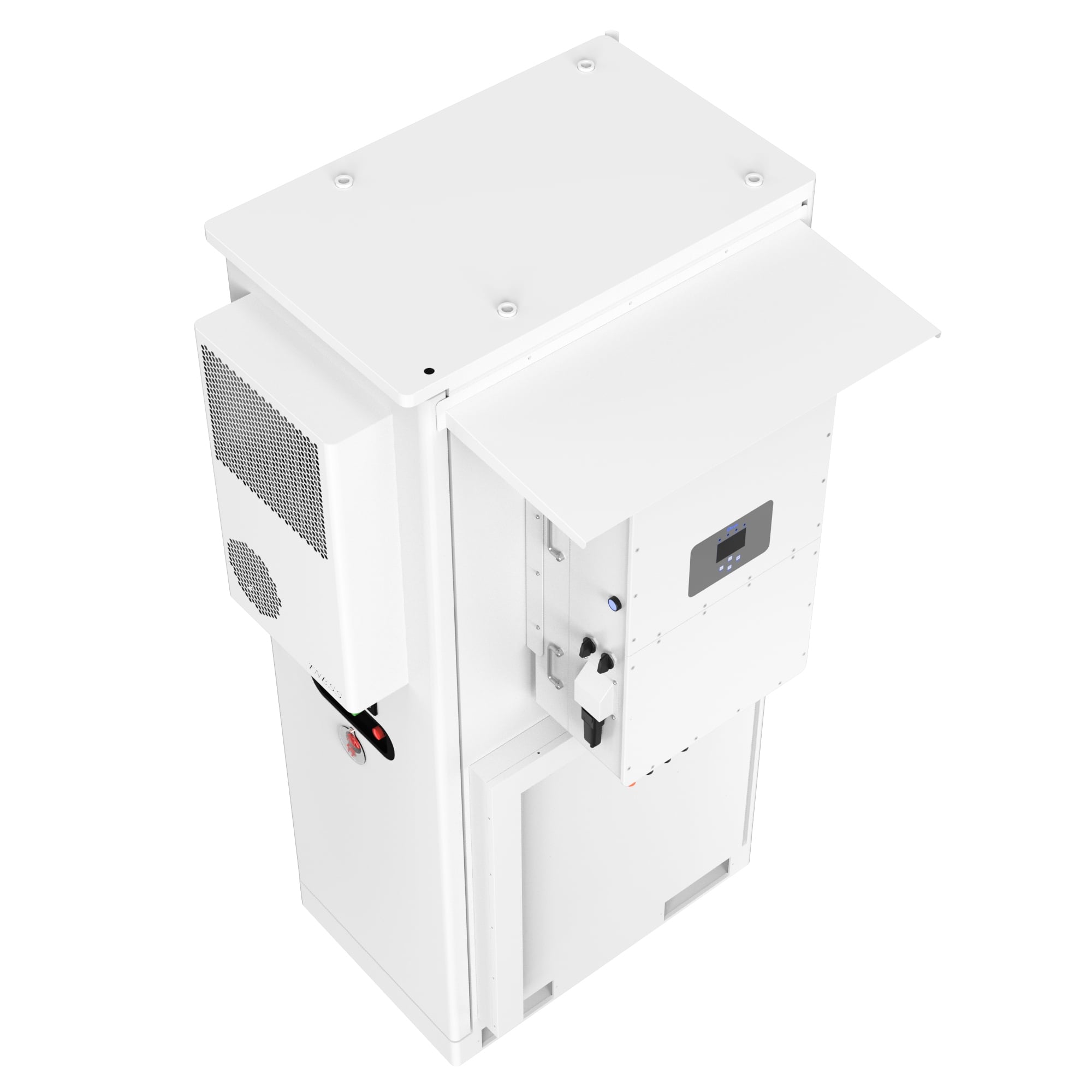
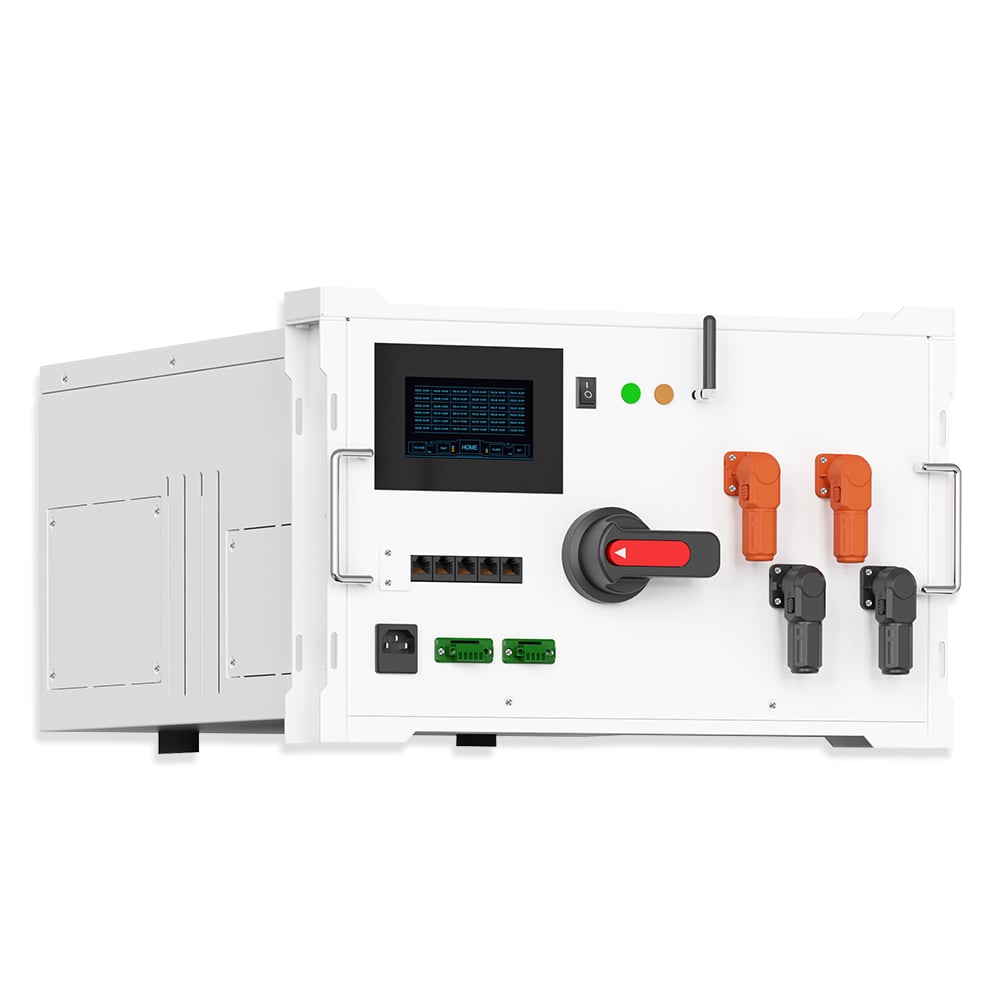
Low-voltage (LV) models serve homes and distributed microgrids. High-voltage (HV) systems can be engineered into MW-scale commercial and industrial projects. Size power in kW and usable energy in kWh separately, then confirm the inverter’s DC operating window.
- Rack-mountedUse an equipment rack with service access from the front.
- Wall-mountedPreserve floor space where the wall and clearances suit the unit.
- StackedReserve a floor footprint and vertical clearance for phased capacity.
Active Balancing & BMS
The JKESS battery management system (BMS) moves charge between cells to reduce differences in state of charge. This helps a string deliver more of its usable capacity before a cell reaches cutoff. Over its service life, the system can require fewer manual balancing visits. Validate current limits, status and alarms with the inverter over RS485 or CAN.
Modular & Scalable Design
Selected modular systems use tool-free assembly and plug-and-play connections to reduce repetitive on-site work. Plan the future string layout and protection rating at the first build. Expansion can then reuse the agreed interfaces and commissioning checks, helping control labour costs.
Qualify the equipment and its delivery route
Market and transport documentation
JKESS supplies a model-specific export file. Match the quoted configuration to the scope of each document before approving the shipment.
- CE EMC Directive 2014/30/EU. Request the declaration covering the quoted model.
- FCC 47 CFR Part 15 Subpart B, Supplier’s Declaration of Conformity (SDoC) for the U.S. review.
- RoHS IEC 62321 test documentation for restricted substances.
- UN 38.3 Lithium battery transport test summary for the battery type being shipped.
- Sea and road freight Dangerous-goods transport appraisal documents for the applicable sea and road legs.
Local support in Europe
The Poland warehouse is the only JKESS overseas warehouse. European distributors and installers can use it for replenishment and service spares. Dispatch from Poland can shorten the wait for a replacement module and help keep maintenance within a planned site visit.
For other regions, JKESS offers direct export from its China factory. The quotation identifies the dispatch point, available items and estimated lead time for the specific order.
What to size first for each application
-
Residential Solar Storage
Compare midday solar surplus with evening consumption to choose usable kWh.
-
C&I Peak Shaving
Use interval meter data to find how many kW to discharge and how long the peak lasts.
-
Microgrid & Off-grid
Map the low-generation period, largest load step and available charging sources.
-
Telecom Backup
Confirm the DC bus voltage, continuous load and runtime required during an outage.
-
Emergency Backup
List critical loads, starting currents and the maximum interruption each load can tolerate.
Take the next step with JKESS
Get a Technical Spec Sheet
Tell us the form factor and inverter voltage range. Request the matching dimensions, operating limits and interface details.
Request specsRequest a Project Quotation
Share target kW, usable kWh, quantity and destination for a configuration, document list and delivery estimate.
Get a quoteBook a 30-Min Engineering Call
Bring a single-line diagram or protocol map to review the battery layout, controls and sample test plan.
Book a callFrequently asked questions
What does APEC 2026 mean for energy storage buyers?
APEC’s focus on trade connectivity and the green transition strengthens the case for planning storage alongside cross-border solar and wind projects. Where export limits or evening delivery commitments constrain a plant, specify usable kWh, discharge kW and the site’s grid interface together. Local connection rules still govern each project.
How can JKESS storage improve the return on a renewable energy project?
Active balancing helps preserve usable capacity over the system’s service life. By transferring charge between cells, the JKESS BMS can delay the point at which one cell ends a discharge cycle. Longer useful service and fewer balancing visits can improve returns. Model the value using the site’s tariff, duty cycle and maintenance costs.
Does JKESS offer local delivery support in Europe?
Yes. The Poland warehouse is the only JKESS overseas warehouse and supports European replenishment and spare parts. JKESS confirms availability for the requested model and quantity. Other regions are served by direct export from the China factory.
Which documents support EU and North American market entry?
JKESS provides model-specific CE documentation for EMC Directive 2014/30/EU and RoHS test documentation using IEC 62321 for EU review. For the U.S., JKESS provides the FCC SDoC under 47 CFR Part 15 Subpart B. Buyers should confirm the remaining country, site and grid-connection requirements for their installation.
Does JKESS support OEM/ODM and custom communication protocols?
Yes. JKESS supports OEM/ODM projects and can adapt RS485 or CAN communications to an agreed protocol. Share the inverter’s message definitions, timing and alarm logic so both engineering teams can agree on the mapping and verify it on a sample.
How do samples and bulk deliveries work?
JKESS starts with an engineering review of capacity, power, form factor and destination. The teams agree on the sample configuration and acceptance tests, then review the results before confirming the batch specification, export file and dispatch plan. Timing depends on the approved configuration, quantity and route.
 Hot News