EN
EN

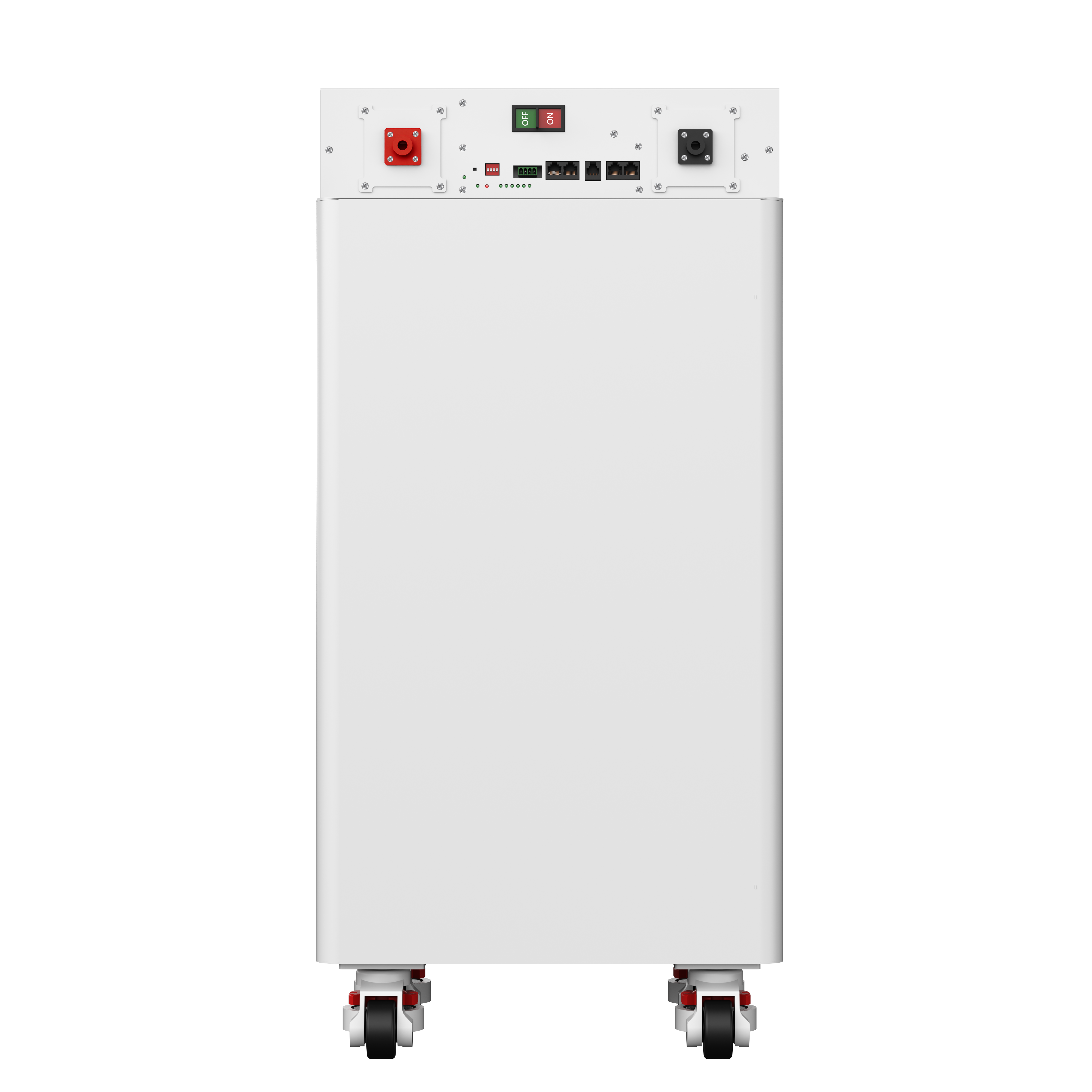
- Overview
- Related Products
Roller 6U LiFePo4 Battery Boxes & Racks
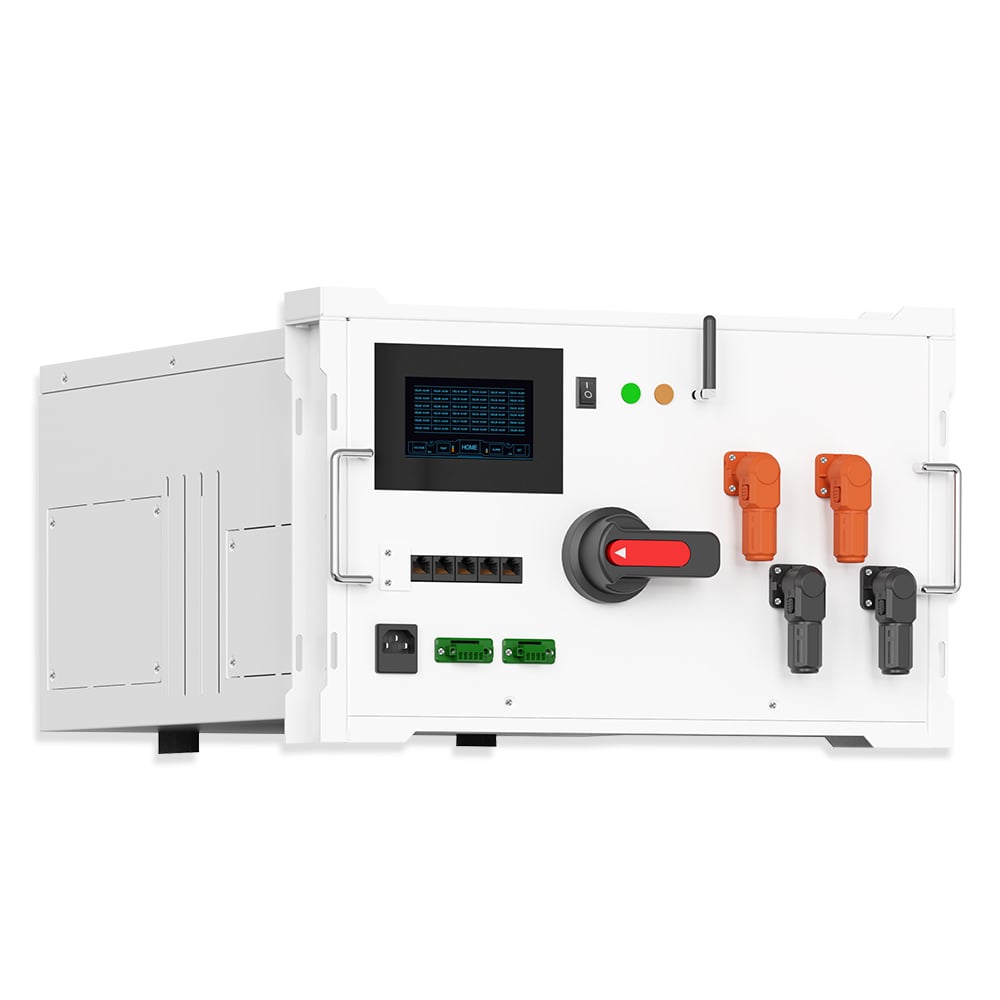
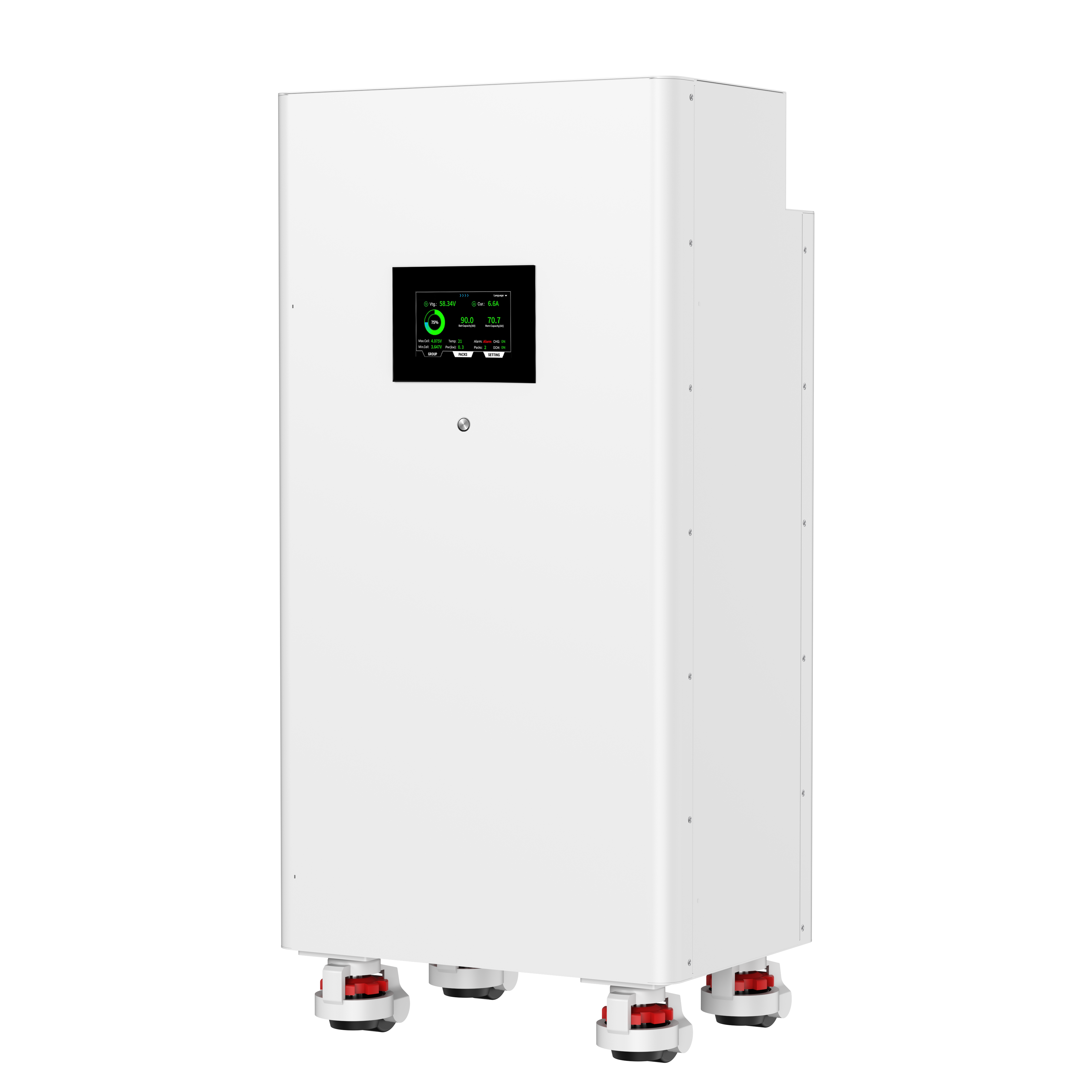
Build a professional-grade 16S LiFePO4 battery pack around the cells you already trust. The 6U roller enclosure is designed for 280Ah and 314Ah prismatic cells, with modular display, breaker, terminal and BMS options.
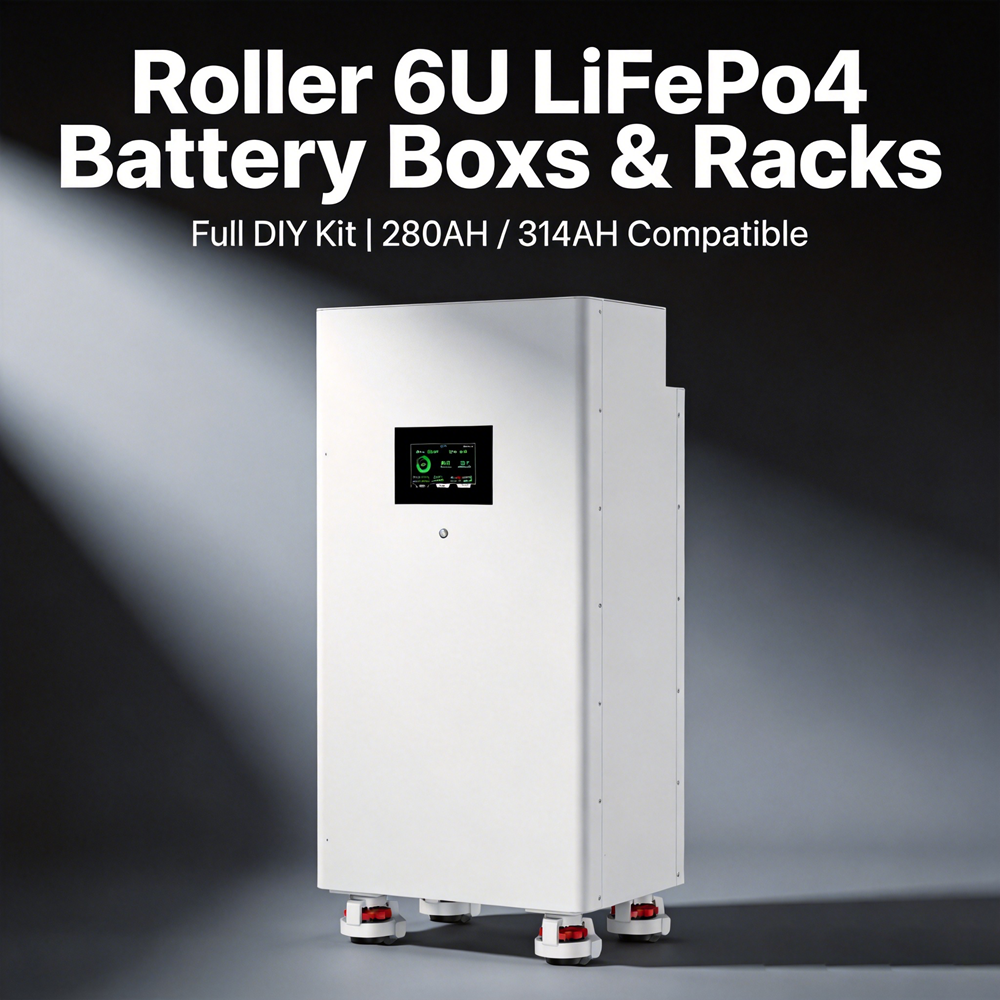
A mobile battery enclosure engineered for real DIY ESS builds.
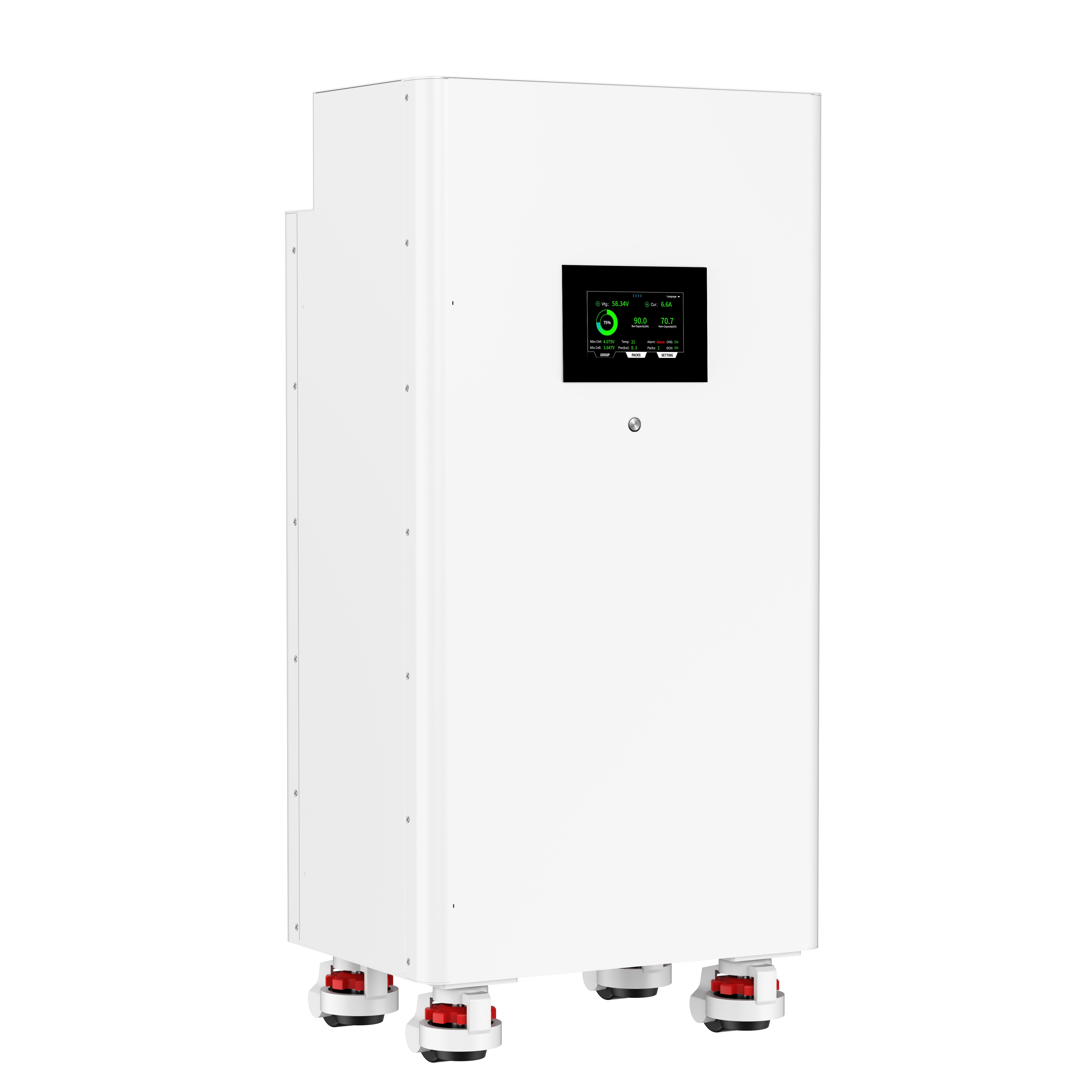
The Roller 6U platform brings enclosure structure, service access and mobility into one configurable battery-box system. It is intended for buyers who want to pair a proven LiFePO4 cell format with a cleaner, safer and more professional pack architecture.
Cells are not included
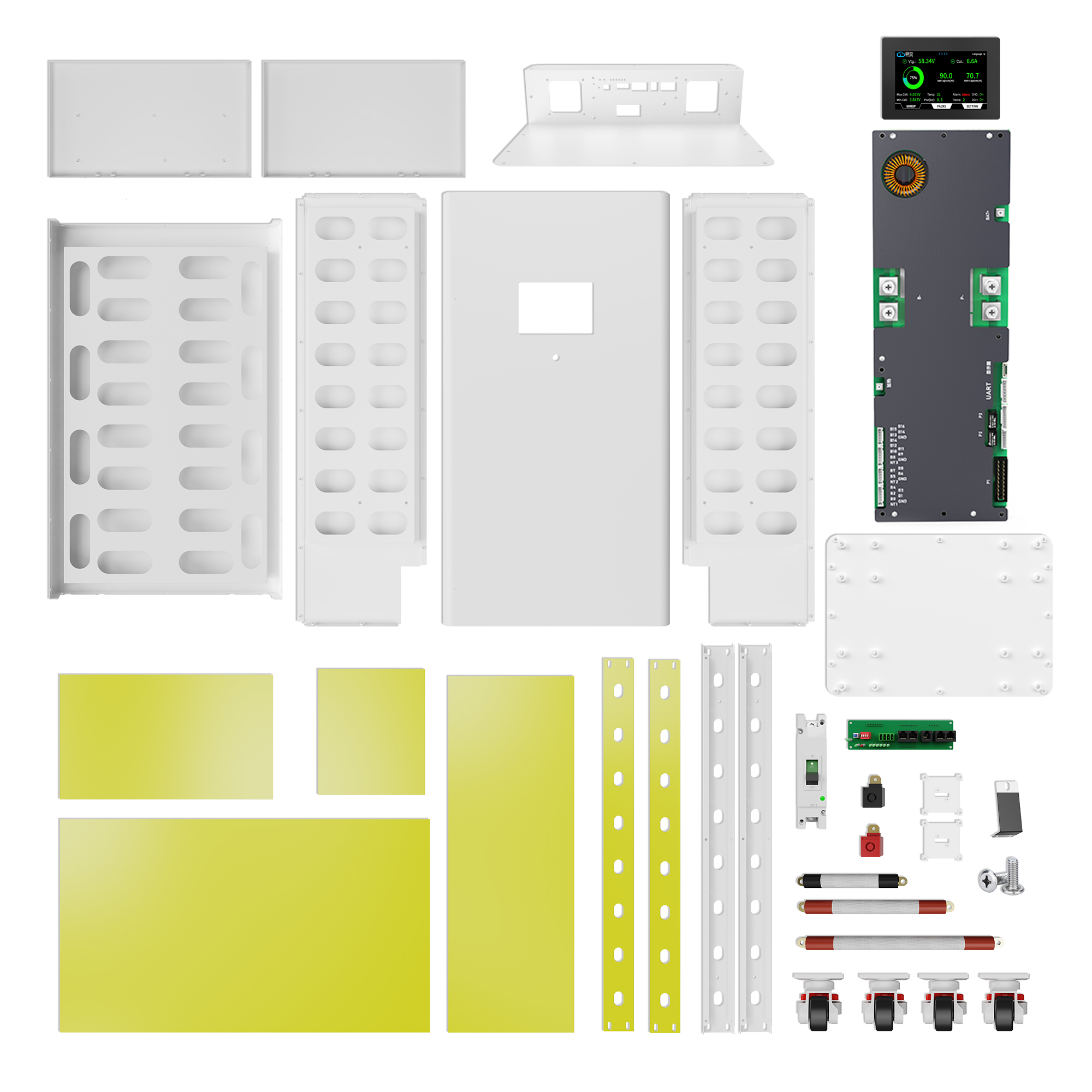
This is a sheet-metal battery box / rack kit, not a complete battery. The enclosure is optimized for industry-standard 3.2V 280Ah, 304Ah and 314Ah prismatic LiFePO4 cells.
Roll wherever the pack needs to go
Four heavy-duty wheels support a mobile floor-standing format for workshops, utility rooms, garages, off-grid sites and service environments. The 16S roller family documents the GF-60 wheel option with a 400 kg rated load.
Built around modular integration
Select the display, breaker, terminals and battery-management configuration that matches the inverter, cell layout and deployment requirements of your project. OEM/ODM customization is supported.
Choose the interface and battery-management level that fits your build.
The four commercial configurations below are organized around the display and BMS architecture. Final SKU selection should be matched to the cell configuration, breaker rating and communication requirements of the project.
| Configuration | What you get | Best for | Key technical point |
|---|---|---|---|
| Standard 4.3" Screen | Basic LCD monitoring interface for the battery enclosure. | DIY builders who want simple local status visibility. | 4.3-inch display format; enclosure + selectable protection hardware. |
| V19 New Screen | Upgraded screen architecture for a richer battery status view. | Projects that need clearer data display and parallel-battery monitoring. | Upgraded UART communication interface with improved data presentation for parallel batteries. |
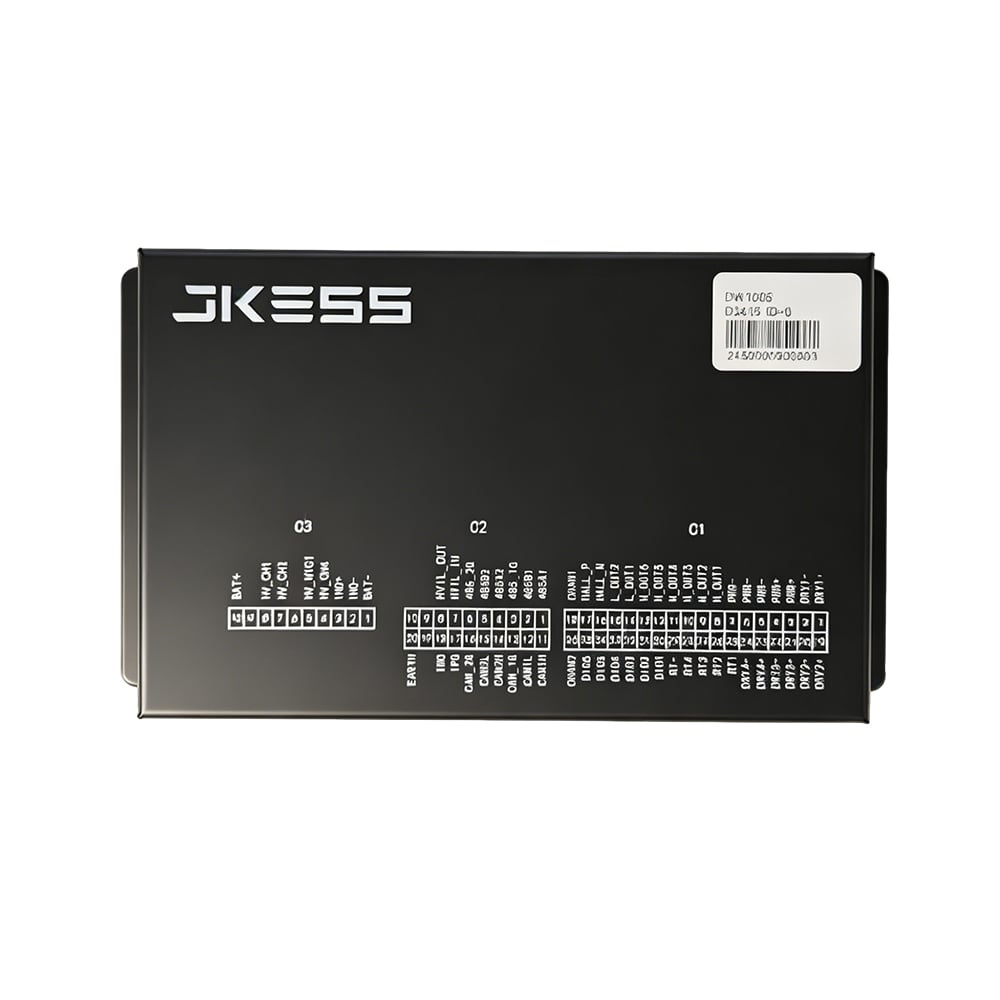
| PRO Version (BMS) | Integrated active-balancing BMS with monitoring display. | Higher-performance 16S DIY ESS packs. | Active Balance core technology: 1A / 2A balancing current; 200A platform in the 16S Pro family. |
| CCS Version (BMS + CCS Harness) | PRO-level BMS architecture plus CCS cell-contact wiring harnesses. | Builders prioritizing cleaner, easier and more repeatable cell connections. | CCS + terminal base system designed to simplify cell connection and service. |
Product-family specifications are based on the supplied JKESS low-voltage kit selection manual, including 6U 16S roller configurations JKLR015 / JKLR015D and the CCS/Pro architecture. SKU, current and accessory combinations should be confirmed against the latest sales BOM before publication.
Active Balance BMS: move energy, not just voltage.
In a conventional passive-balancing design, excess energy is typically dissipated as heat. Active balancing instead transfers energy from higher-state cells toward lower-state cells, helping the series string remain more closely matched during operation.
1A / 2A balancing current
JKESS Pro configurations in the supplied manual use 1A or 2A active-balancing BMS architectures depending on the model. The Roller 6U 16S Pro / CCS family is specified at 200A operating current with 2A balancing current.
For a large prismatic-cell pack, tighter cell-to-cell matching can improve usable energy consistency and reduce imbalance-related stress over the service life of the pack.
Protection + visibility
A BMS-equipped configuration can combine active balancing with the protection functions expected in a battery-management system, such as overcharge, over-discharge and short-circuit protection, while the display interface provides local operating visibility.
JKESS states that its product portfolio has passed CE, RoHS and FCC certifications and serves customers in Europe, the Americas, Southeast Asia and other global markets.
One enclosure platform. Your component stack.
The modular architecture is intended for B2B OEMs, integrators and serious DIY builders who do not want to be locked into a one-size-fits-all BOM.
Displays
Mix and match 2.0-inch, 3.2-inch and 4.3-inch display options, including RS485 / V19 families where applicable.
Breakers
Configure DC protection hardware across a broad range, including the 63A-400A accessory class requested for different project sizes.
Terminals
Select terminal sizes and connection hardware to match the current path, inverter interface and installation method.
OEM / ODM
Use the modular design for project-specific accessories, branding, wiring and mechanical customization. OEM/ODM is supported.
Designed for residential, off-grid and commercial energy storage.
Home Energy Storage
Pair a 16S LiFePO4 pack with a compatible inverter for solar backup, load shifting and resilience-focused household storage.
Off-grid Tiny Homes
The roller architecture makes a high-capacity pack easier to position and service in compact workshops, cabins, mobile living spaces and remote installations.
Industrial & Commercial
A modular enclosure gives integrators a practical starting point for small BESS cabinets, backup systems and distributed energy-storage deployments.
From loose cells and wiring complexity to a cleaner finished pack.
“I already have high-quality 280Ah cells. I need a safe enclosure.”
Use the industrial-style sheet-metal 6U box as the mechanical foundation instead of fabricating a cabinet from scratch. The roller version adds four heavy-duty wheels for easier movement.
“Battery management is complicated and risky.”
Move to a BMS-equipped Pro or CCS configuration for integrated monitoring and protection logic. CCS harness options can also make cell-to-cell connections more structured and repeatable.
Why enclosure-first ESS products are becoming more relevant.
For buyers and integrators, the enclosure is no longer just a metal shell. It is part of the system-level workflow: cell fit, serviceability, protection, monitoring, mobility and logistics all affect the delivered solution.
Portable power box benchmark
The market benchmark supplied for this page states that the global portable power box market was valued at $5.82 billion in 2024 and is projected to reach $19.2 billion by 2033, representing a 14.2% CAGR. This supports a broader story of strong demand for modular, portable and DIY-oriented power systems.
Publication note: the exact underlying source for these portable-power figures was not independently located in this research pass. Verify the figure and source before using it as a cited market statistic in production.
Verified BESS enclosure trend
Global Market Insights reports that the global BESS Container & Enclosure market was USD 6.8 billion in 2025 and is forecast to reach USD 31.4 billion by 2035, expanding at a 15.3% CAGR over 2026-2035.
Read the GII / Global Market Insights BESS Container & Enclosure market analysis →
Cabinet & rack demand
The same GMI report says cabinet and rack enclosures represented 21.8% of the BESS container & enclosure market in 2025 and are projected to grow at a 14.8% CAGR, reinforcing the relevance of modular enclosure platforms for distributed and C&I storage.
EU & US stock. Fast project turnaround.
EU and US overseas warehouses help shorten delivery time. For EU/US stock items, shipping is stated at 3-5 days; custom orders are stated at 15 days. JKESS also reports CE, RoHS and FCC certification across its product portfolio.
Roller 6U LiFePO4 Battery Box FAQ
Does the Roller 6U kit include battery cells?
No. The kit is a DIY enclosure / rack solution and does not include battery cells. It is optimized for 280Ah, 304Ah and 314Ah 3.2V prismatic LiFePO4 cells.
Can I build a 16S battery pack?
Yes. The Roller 6U 16S family in the supplied manual is designed for 16-series LiFePO4 battery configurations, with the Pro / CCS configurations specified around a 200A BMS platform.
What is the difference between Pro and CCS?
The Pro version adds the active-balancing BMS architecture. The CCS version keeps the BMS architecture and adds CCS cell-contact wiring harnesses and terminal bases to make cell connections easier to structure and service.
Can I customize the display and protection hardware?
Yes. The product is positioned as a customizable modular design. Display choices include 2.0-inch, 3.2-inch and 4.3-inch options, while breaker and terminal selections can be adapted to the system requirements. OEM/ODM is supported.
Build your Roller 6U ESS enclosure around the cells you already know.
Send your cell model, target 8S/16S architecture, inverter current, display preference and destination country. JKESS can help match the enclosure, BMS, breaker, terminals and accessories to your project BOM.