300A HV BMS Master: The High-Power Upgrade for 1000V Battery Clusters
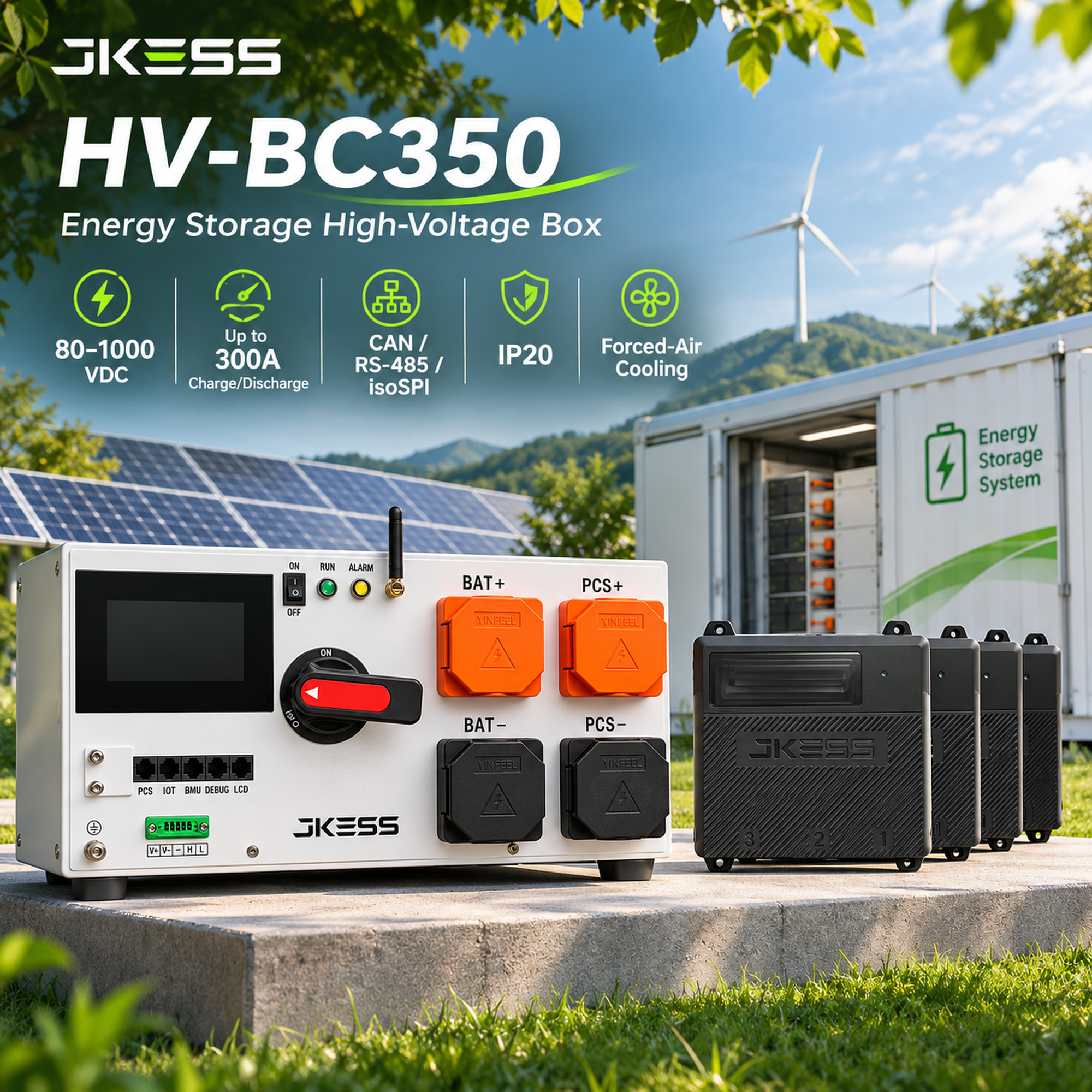
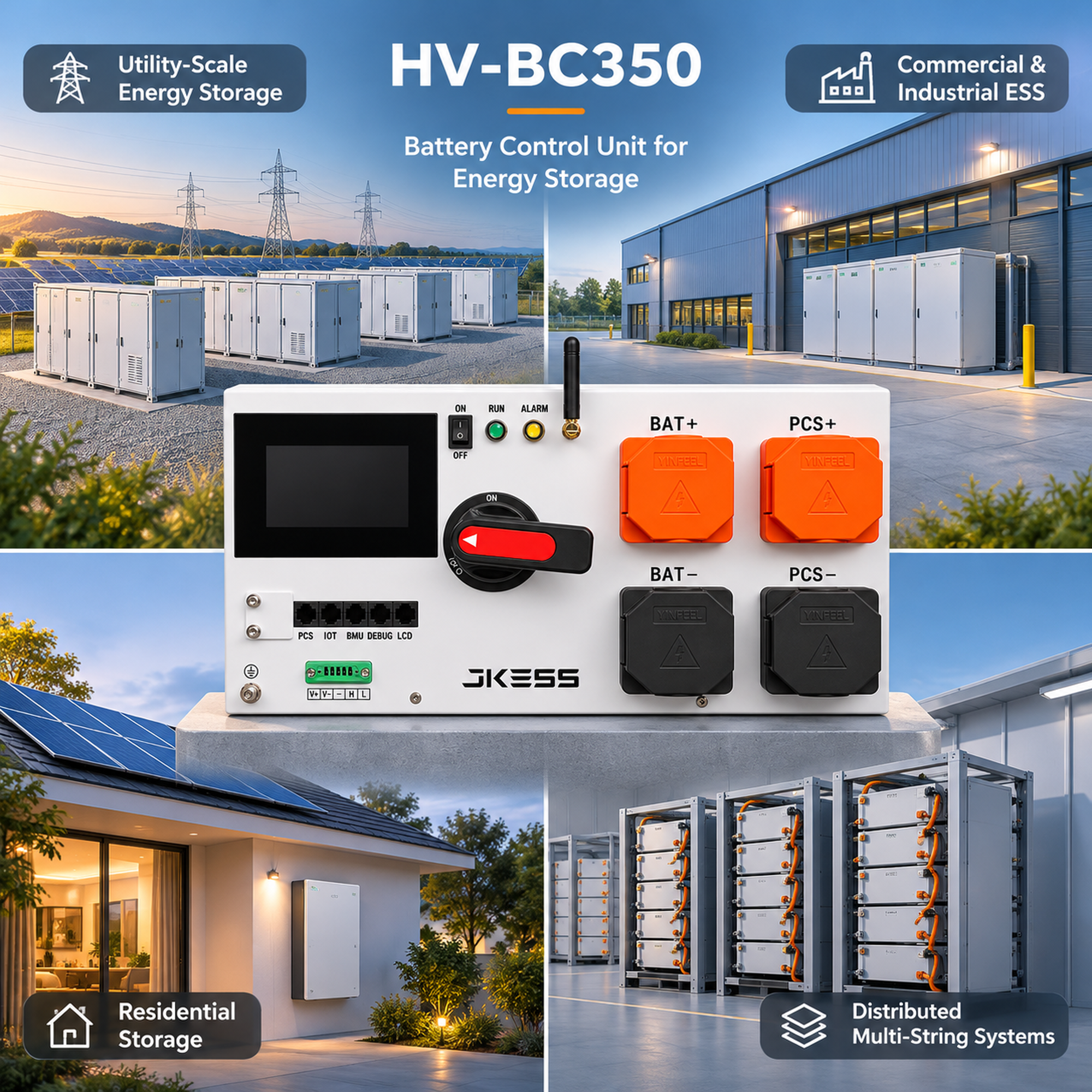
When your battery cluster needs more than 200A, the HV-BC350 delivers. 300A continuous current, 80–1000VDC wide input, and multi-protocol communication — purpose-built for high-power C&I, utility-scale, and multi-string distributed architectures.
Product Page | JKESS Engineering Team | CE · RoHS · FCC
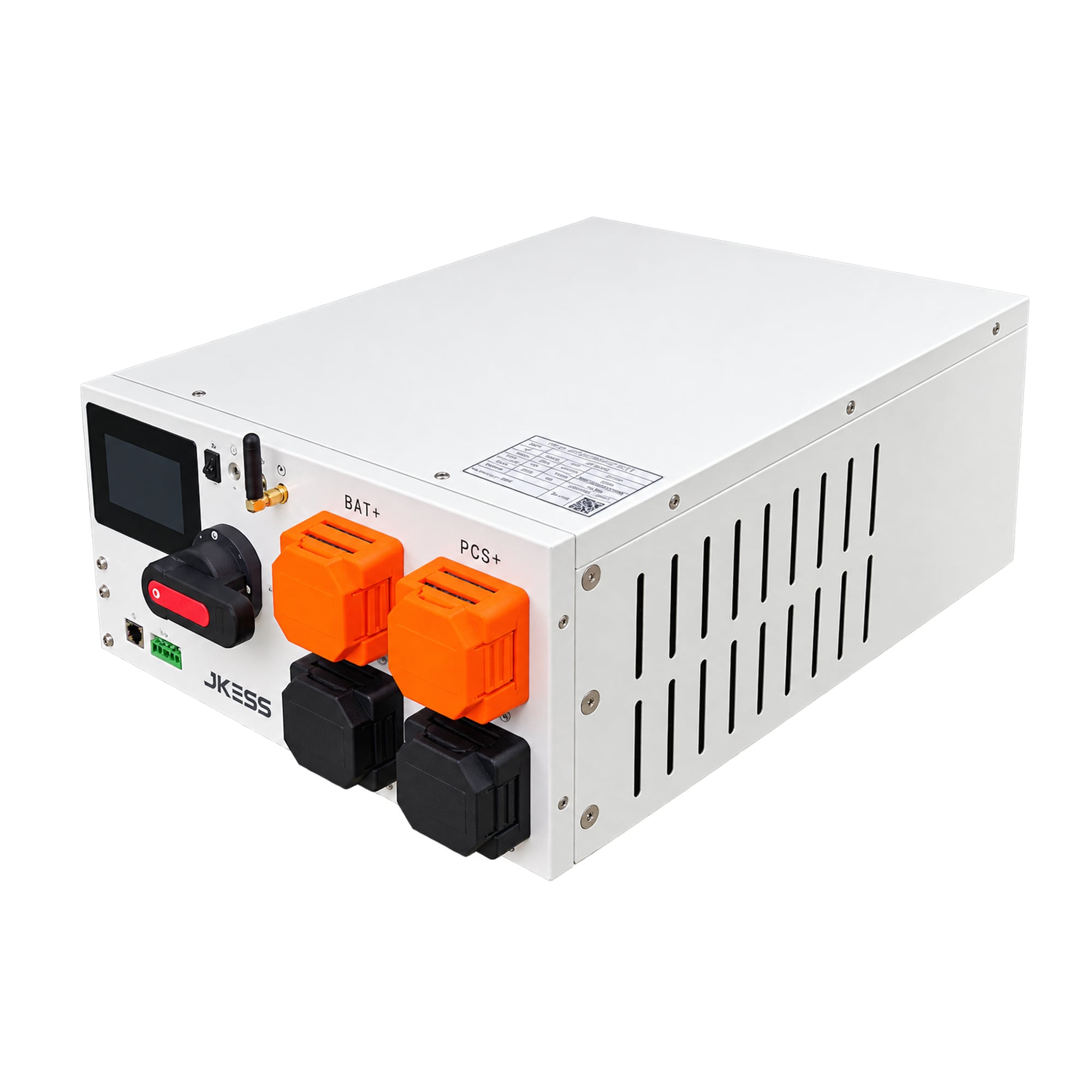
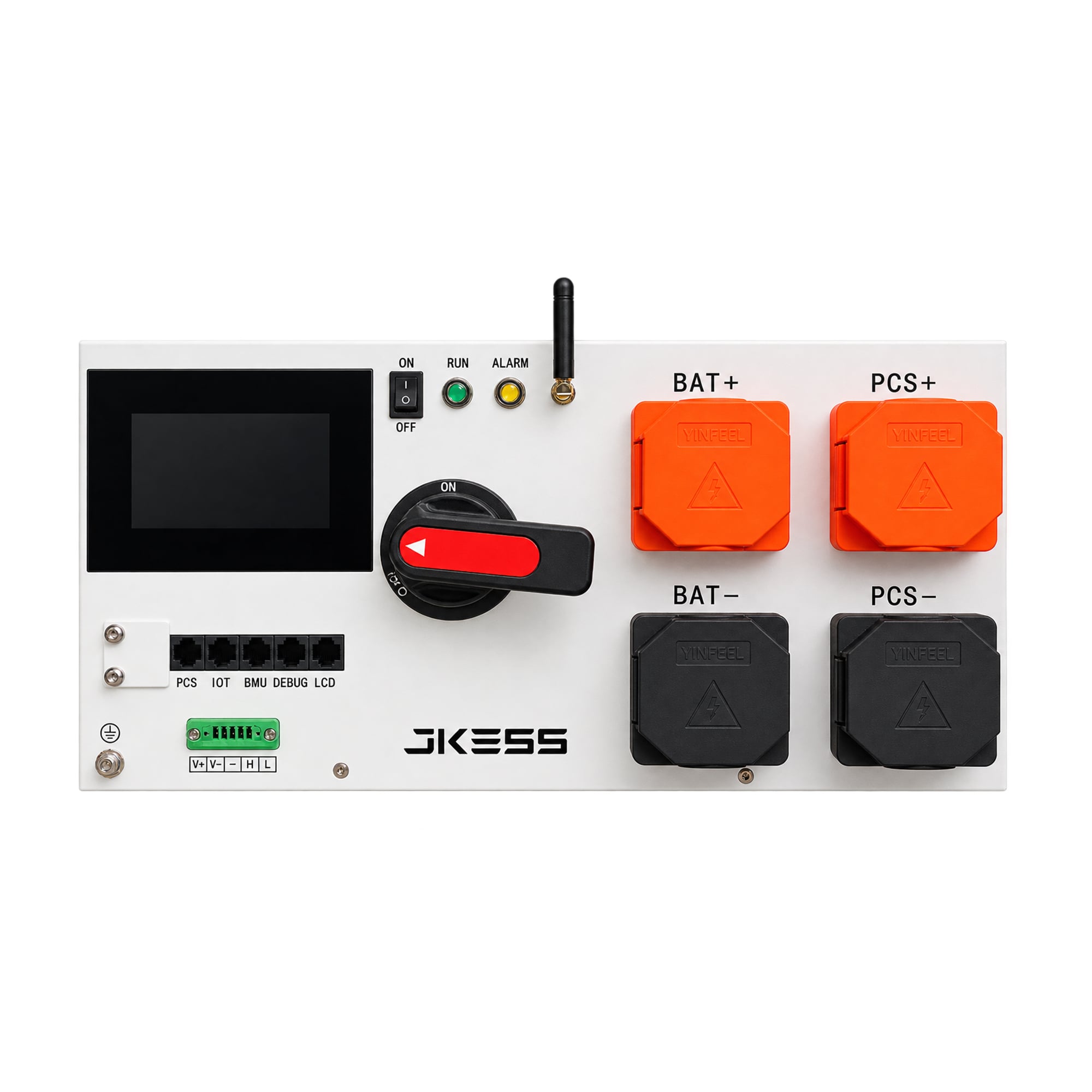
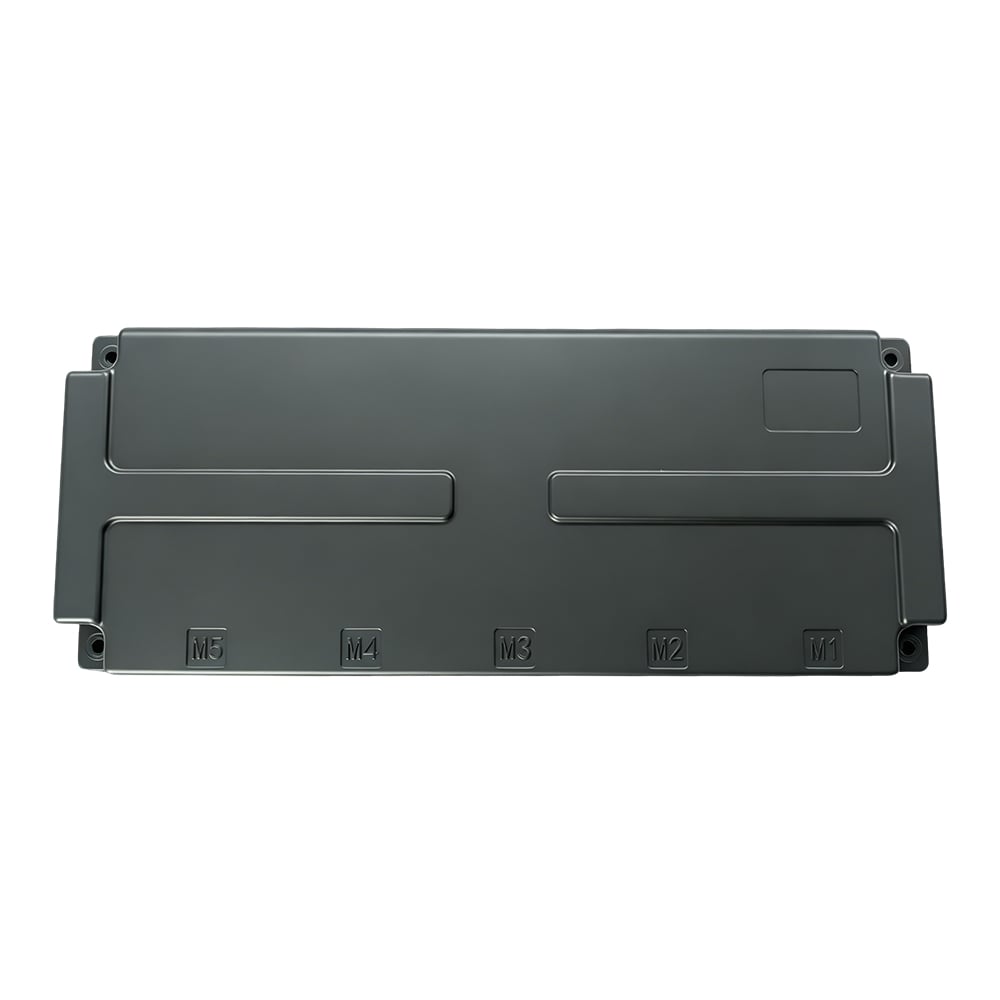
JKESS 300A HV BMS Master (HV-BC350) — 1000V cluster controller with 300A continuous current and multi-protocol communication.
Key Takeaways
300A continuous current
At 1000V, 100A and 200A masters limit ideal single-cluster DC power to 100kW and 200kW respectively. The HV-BC350 raises continuous charge/discharge current to 300A, adding design headroom and helping reduce parallel cluster count for higher-power projects.
80–1000V DC · 33S–270S
A wide DC operating range and 33S–270S cell configurations cover high-power C&I, distributed, and utility-scale systems. Final series count depends on the selected chemistry and cell voltage limits.
Forced air cooling · IP20
Forced air cooling supports operation from -20°C to 50°C, with power derating above 50°C according to the approved curve. The IP20 enclosure weighs 29kg and measures 482×550×220mm for 19-inch rack mounting.
Multi-protocol integration
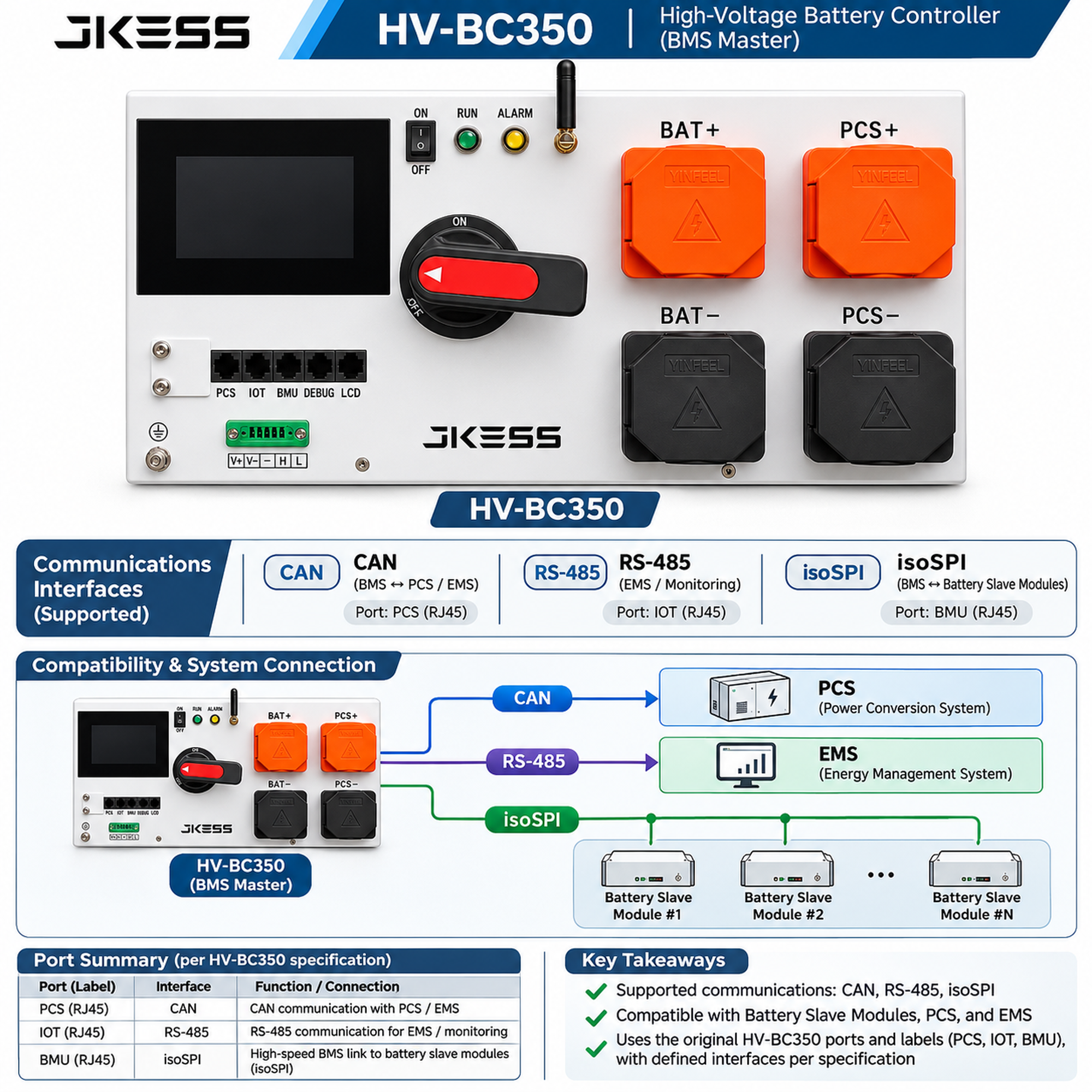
CAN, ISO-SPI, RS485, and Ethernet communication, with RJ45 ports, support integration with PCS, EMS, gateways, slave BMUs, and local displays.
Power & integration
Why 100A or 200A Master Boxes Hit a Ceiling
Swipe horizontally to view all columns.
Customer Pain Point
HV-BC350 Solution
Why It Matters for Your Project
100A/200A limits single-cluster power
300A continuous charge/discharge current
Fewer parallel clusters for the same power, simplifying BMS architecture and reducing cost
High-power clusters require derating
300A rating with ≤90W 24V output
Maintains performance at high load without frequent derating
Limited communication options
CAN, ISO-SPI, RS485, and Ethernet (RJ45)
Connects to EMS, PCS, 4G gateways, and local displays without extra converters
High ambient temperature derating
Forced air cooling; operation up to 50°C
Reliable in industrial environments; derating curve provided for 50°C
Multi-chemistry battery compatibility
Supports LFP, NCM, LMO, LTO, LCO, and sodium-ion
One master box covers a wide range of battery technologies
The ≤90W rating applies to the auxiliary 24V supply; it is separate from the 300A high-voltage current rating. Thermal limits and protocol compatibility must be confirmed for the complete system.
Choose the current class
300A HV BMS Master vs 100A/200A Master Boxes: The Upgrade Threshold
Reference configurations are shown for comparison. Confirm dimensions, weight, supported cell count, and temperature limits against the approved datasheet for the selected hardware revision.
Size current at operating voltage. P (kW) = V × I ÷ 1000
At 1000V, 100A / 200A / 300A correspond to ideal DC power levels of 100kW / 200kW / 300kW. At 800V, a 300A current limit corresponds to 240kW. Available system power also depends on cells, PCS capability, operating voltage, and derating.
System architecture
Multi-Protocol Communication for Complex System Architectures
PCS / EMS RJ45 · CAN2
The CAN2 interface connects to the PCS or EMS and supports CAN baud rates of 250k/500k.
IOT gateway RJ45 · CAN2
The CAN2 interface connects to a 4G/Wi-Fi gateway to upload operating data to the cloud.
Slave BMUs RJ45 · ISO-SPI
The ISO-SPI daisy-chain interface links the slave BMUs within a cluster and aggregates cell-level data.
Debug & display RJ45 · CAN1 / RS485-1
CAN1 supports debugging, while RS485-1 connects an external display. RS485-2 is also available for debugging.
24V power / CAN 5-pin connector
Provides a 24V output rated at ≤90W for internal and external loads, with a reserved CAN communication interface.
Built for coordinated system integration. Standard communication interfaces support integration with compatible EMS, PCS, and monitoring platforms. The ISO-SPI daisy chain is designed to reduce susceptibility to electromagnetic interference in dense slave BMU connections and multi-cluster distributed architectures.
Match firmware, protocol definitions, and connector pinouts before integration. RJ45 identifies the connector format; a CAN, ISO-SPI, or RS485 port is not interchangeable with an Ethernet port.
For C&I projects with single-cluster power requirements above 200kW, the 300A master can reduce the number of parallel clusters and simplify the BMS architecture.
02
Utility-Scale Storage
Supports cluster control within 1000V DC architectures, helping integrate parallel battery clusters into systems designed for grid-scale dispatch.
03
Distributed Multi-String Storage
An ISO-SPI daisy chain supports dense slave BMU deployment and communication designed to manage interference in distributed multi-cluster systems.
04
Second-Life Battery Storage
Supports LFP, NCM, LMO, LTO, LCO, and sodium-ion configurations, addressing diverse battery technologies in second-life projects.
05
Solar + Storage + Charging
High-current capability supports battery power buffering for high-power DC fast-charging applications integrated with solar and energy storage.
06
Space-Constrained High-Power Systems
A 482mm-wide, 220mm-high enclosure supports 19-inch rack mounting for compact, high-density installations.
Engineering reference
300A HV BMS Master Technical Specifications
Swipe horizontally to view specifications and notes.
Parameter
Specification
Note
Product Model
HV-BC350
300A HV BMS Master
DC Voltage Range
80–1000 VDC
33S to 270S cells
Max Charge/Discharge Current
300A
Continuous
24V Power Output
≤90W
For internal and external loads
Operating Temperature
-20~50°C
Derating required above 50°C
Storage Temperature
-30~65°C
—
Operating Humidity
5–85%
Non-condensing
Cooling Method
Forced air cooling
—
Ingress Protection
IP20
—
Dimensions (W×D×H)
482×550×220 mm
Includes mounting brackets
Weight
29 kg
—
Altitude
≤2000 m
Derating above 2000m
Communication
CAN, ISO-SPI, RS485, Ethernet
Multi-protocol
Supported Chemistry
LFP, NCM, LMO, LTO, LCO, Sodium-ion
Wide compatibility
Complete your system
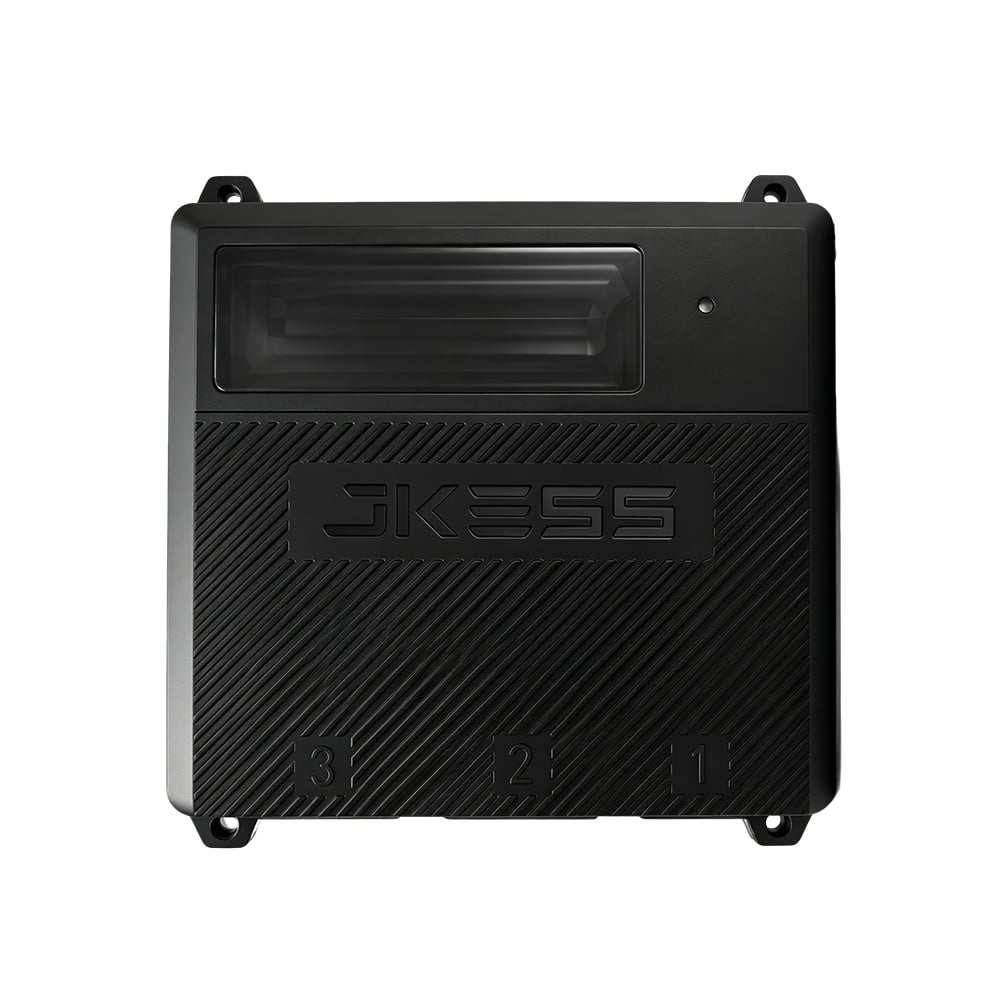
Pair the 300A Master with JKESS Slave Units
HV Slave 6U Kits
Standard slave battery box with CCS harness and BMU-H5-16.
The HV-BC350 supports a continuous charge/discharge current of 300A, making it suitable for high-power battery clusters where 100A or 200A master boxes would require additional parallel strings.
What cell configurations does the 300A master box support?
It supports 33S to 270S cell configurations with an operating voltage of 80–1000VDC. It is compatible with LiFePO4, NCM, LMO, LTO, LCO, and sodium-ion batteries.
What communication interfaces are available?
The HV-BC350 includes CAN2 (PCS/EMS), CAN2 (IOT gateway), ISO-SPI (daisy chain to slave BMUs), CAN1 (debug), RS485-1 (display), and RS485-2 (debug). It also has a 5-pin 24V power/CAN interface and RJ45 ports.
Does the 300A master box require derating at high temperatures?
Yes. The operating temperature range is -20~50°C. When operating above 50°C, the output power must be reduced according to the derating curve. The forced air cooling design helps maintain performance under high load.
What is the 24V output power rating?
The 24V power supply output is ≤90W. This is sufficient for internal relays, fans, and slave BMU power supply, depending on the system configuration.
Can the HV-BC350 be used with third-party slave BMUs?
The master box uses standard CAN and ISO-SPI protocols. It can integrate with compatible slave BMUs, but optimal performance and reliability are achieved when paired with JKESS BMU-H5-16 or other JKESS slave units that share the same protocol implementation.
What is the IP rating and cooling method?
The HV-BC350 is rated IP20 and uses forced air cooling. It must be installed in a ventilated area, typically inside a cabinet or protected enclosure.
What are the dimensions and weight?
The dimensions are 482×550×220mm (including mounting brackets), and the weight is 29kg. It is designed for 19-inch rack mounting.
What is the maximum altitude for installation?
The standard altitude limit is ≤2000m. For installations above 2000m, a capacity derating must be applied.
Does JKESS provide technical support for system integration?
Yes. JKESS provides technical documentation, including wiring diagrams, communication protocol definitions, and installation manuals. For B2B project orders, remote technical support can be arranged to assist with integration and commissioning.
Need a 300A HV Master Box for Your High-Power Project?
Contact our team to confirm compatibility, request the derating curve, or discuss system integration for your high-power C&I or utility-scale project. We respond within 24 hours.

 EN